Direct answer: The Monk Seal Foundation was a U.S. nonprofit that supported Hawaiian monk seal research, volunteer response, public education, and conservation planning. It no longer appears to operate as a standalone tax-exempt organization. Today, Hawaiian Monk Seal Preservation ʻOhana identifies the Monk Seal Foundation as one of its previous names and continues related education and outreach work on Oʻahu under the Conservation Council for Hawaiʻi.
For current seal sightings, injuries, entanglements, strandings, or deaths, call the statewide NOAA Marine Wildlife Hotline at (888) 256-9840 rather than relying on an old foundation contact.
Last fact-checked: July 29, 2026.
Monk Seal Foundation key facts
| Question | Current answer |
|---|---|
| Does the original foundation still appear active? | No. IRS-derived records show its latest available filing for fiscal year 2017, and it is not listed in the IRS’s most recent tax-exempt organization list. |
| How does its work continue? | Hawaiian Monk Seal Preservation ʻOhana identifies the Monk Seal Foundation and Hawaiian Monk Seal Response Team Oʻahu as predecessor names. |
| Species served | Hawaiian monk seal (Neomonachus schauinslandi), an animal found naturally only in the Hawaiian archipelago. |
| Estimated population | About 1,600 seals: roughly 1,200 in Papahānaumokuākea and 400 in the main Hawaiian Islands. |
| Conservation status | Endangered under the U.S. Endangered Species Act; Vulnerable on the current IUCN Red List. |
| Statewide reporting number | NOAA Marine Wildlife Hotline: (888) 256-9840. |
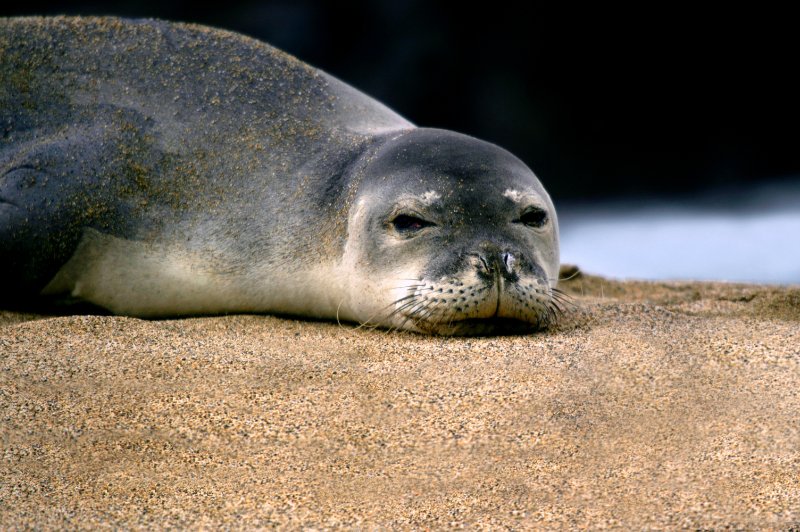
What happened to the Monk Seal Foundation?
The Monk Seal Foundation received federal tax-exempt status in September 2011 under EIN 30-0693662. IRS-derived records published by ProPublica show filings through fiscal year 2017 and state that the organization is not included in the IRS’s most recent list of tax-exempt organizations. That evidence supports describing the original foundation as historical or apparently inactive—not as a currently operating standalone charity.
The work did not simply disappear. Hawaiian Monk Seal Preservation ʻOhana, commonly shortened to HMSPO, says the Monk Seal Foundation and Hawaiian Monk Seal Response Team Oʻahu were predecessor names. HMSPO now concentrates on education, public outreach, responsible coexistence, historical archiving, and emergency support when requested. It operates as an adjunct organization under the Conservation Council for Hawaiʻi.
A short history of the foundation’s conservation role
- Volunteer response: Oʻahu volunteers monitored resting seals, supported pup watches, helped establish public viewing boundaries, and reported animals needing assistance.
- Community education: The organization shared monk seal biology, conservation needs, and safe viewing practices with schools, residents, visitors, hotels, and coastal communities.
- Research outreach: The Hō‘ike ā Maka project connected NOAA and National Geographic Crittercam research with students and the public to explain where seals forage and how they behave underwater.
- Conservation planning: NOAA’s 2015 Main Hawaiian Islands Monk Seal Management Plan credits the Monk Seal Foundation with hosting a 2012 workshop and 2014 focus groups that supported stakeholder participation.
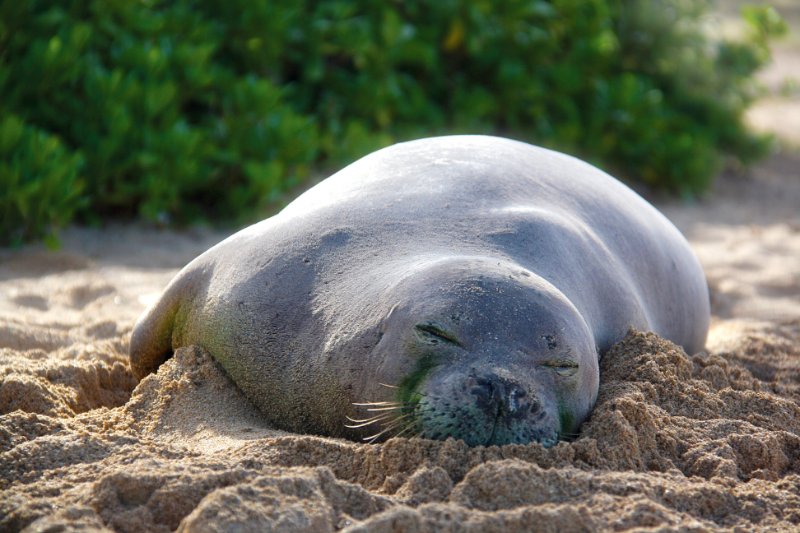
What work did the Monk Seal Foundation support?
The foundation’s historical value was its ability to connect science, community participation, and day-to-day stewardship. It helped translate technical recovery work into actions that beachgoers, fishers, students, businesses, and volunteers could understand.
Its programs supported four broad goals:
- Reduce disturbance at haul-out and pupping sites. Monk seals come ashore to rest, molt, give birth, and nurse. Trained volunteers helped people understand why space and quiet matter.
- Improve public reporting. Sighting reports allow authorized teams to identify individuals, monitor health, respond to fishing-gear interactions, and document births.
- Build support for science-based recovery. Research partnerships and public presentations made foraging, health, habitat, and population work more understandable.
- Strengthen community participation. Workshops and outreach gave residents and ocean users a role in decisions affecting both seals and coastal communities.
Those responsibilities are now distributed across federal and state agencies, island-based response organizations, veterinary specialists, educators, and volunteers rather than a single foundation.
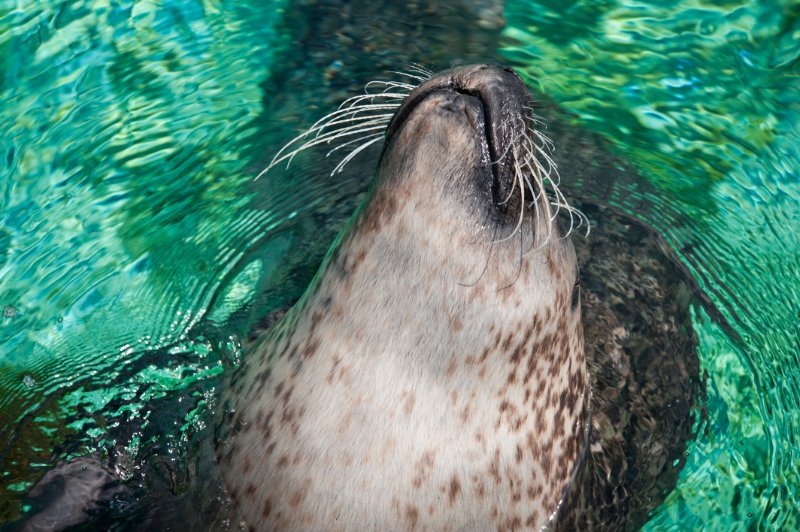
Who protects Hawaiian monk seals today?
NOAA Fisheries leads federal recovery work and coordinates a broader response network. The organizations below have distinct geographic or program roles, so the statewide NOAA hotline remains the simplest first contact for the public.
| Organization | Current role | Primary area |
|---|---|---|
| NOAA Fisheries | Population monitoring, research, recovery planning, veterinary response coordination, legal protection, and public guidance. | Hawaiian archipelago |
| Hawaiian Monk Seal Preservation ʻOhana | Education, outreach, coexistence guidance, historical archiving, and volunteer support. | Oʻahu |
| Hawaiʻi Marine Animal Response | Field response, monitoring, rescue support, data collection, and community education. | Oʻahu and Molokaʻi |
| The Marine Mammal Center | Lead response on Hawaiʻi Island and operation of Ke Kai Ola, the hospital dedicated to Hawaiian monk seal rehabilitation. | Hawaiʻi Island |
| The Marine Institute | Monk seal sighting response, monitoring, public education, and coordination with NOAA. | Maui |
Response assignments and local numbers can change. Call (888) 256-9840 when you are unsure which island team to contact.
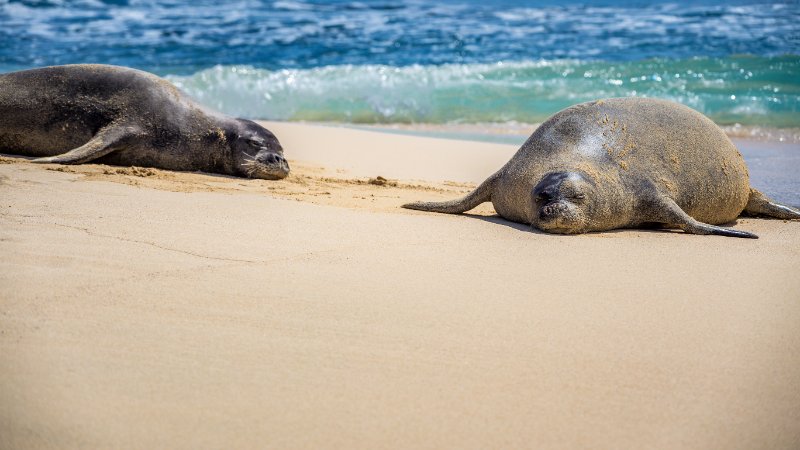
Hawaiian monk seal population and conservation status
NOAA estimates that about 1,600 Hawaiian monk seals remain, including approximately 1,200 in Papahānaumokuākea and 400 in the main Hawaiian Islands. The population has trended upward since 2013, but it is still only about one-third of its historical size. A 2024 NOAA population analysis estimated 1,580 seals, with uncertainty around that point estimate, and found a significant positive trend from 2013 through 2024.
The species’ two commonly cited conservation labels answer different questions:
- U.S. legal status: The Hawaiian monk seal remains Endangered under the Endangered Species Act and is also protected under the Marine Mammal Protection Act and Hawaiʻi law.
- Global IUCN assessment: The IUCN’s 2025-2 status-change table moved the species from Endangered to Vulnerable.
The improved IUCN category is encouraging, but it does not remove federal protections or mean recovery is complete. With a total population near 1,600, the loss or survival of individual seals can still affect the species’ trajectory.
Major threats and what people can do
| Threat | Why it matters | Useful public action |
|---|---|---|
| Fishing hooks, nets, and marine debris | NOAA documented hundreds of nearshore hookings and multiple fishery-associated deaths between 1976 and 2024. | Retrieve fishing line and gear, never cast near a seal, and call the hotline if a seal is hooked or entangled. |
| Toxoplasmosis | The parasite enters the environment through cat feces and is a leading disease threat in the main Hawaiian Islands. | Keep cats indoors, dispose of cat waste securely, and prevent contaminated runoff from reaching waterways. |
| Human disturbance and dogs | Approaching, touching, feeding, chasing, or crowding a resting seal wastes energy and can create dangerous human-seal interactions. | Keep your distance, obey barriers, leash dogs, and choose another place to swim or fish when seals are present. |
| Loss of critical habitat | Storm erosion and sea-level rise are reducing low-lying pupping and resting habitat, especially in Papahānaumokuākea. | Respect closed areas and support shoreline, reef, and habitat-loss solutions based on credible conservation science. |
| Food limitation and localized shark predation | Young seals in parts of the Northwestern Hawaiian Islands can face limited food and site-specific pup predation. | Support long-term monitoring, habitat protection, rehabilitation, and other evidence-based recovery work. |
Healthy coastal ecosystems also matter. Protecting nearshore water quality and learning how to conserve coral reefs supports the wider food web on which marine wildlife depends.
Is the Monk Seal Foundation legitimate?
Historically, yes: IRS-derived records show that the Monk Seal Foundation held 501(c)(3) status beginning in 2011 and filed annual returns for several years. The more important question in 2026 is not whether it once existed, but whether an old website, social account, address, or donation page still represents an active legal entity. The available IRS-derived record does not support presenting the original foundation as a currently active standalone charity.
HMSPO says it now operates under the Conservation Council for Hawaiʻi. CCH’s current donation page identifies it as a 501(c)(3) organization with tax ID 99-0199211. Before donating, confirm the name of the legal recipient, ask whether a contribution can be designated for Hawaiian monk seal work, and review current financial filings and program information.
Donation due-diligence note: In February 2025, the Hawaiʻi Department of the Attorney General announced an indictment of a former CCH executive director over alleged unauthorized transactions. An indictment is an accusation, not a conviction, and the former executive is presumed innocent unless proven guilty. The public sources reviewed for this article do not state that HMSPO volunteers or monk seal programs were implicated. Prospective donors can read the Attorney General’s release and CCH’s official statement archive before deciding where to give.
How to help Hawaiian monk seals responsibly
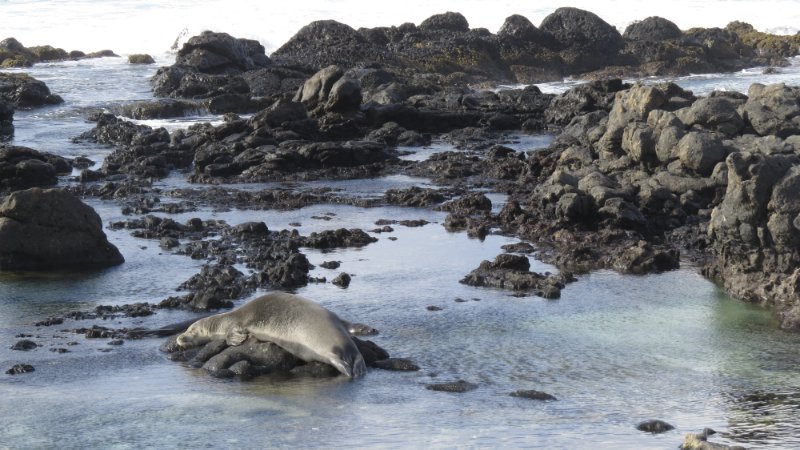
- Stay at least 50 feet away. NOAA recommends a minimum distance of 50 feet, or 15 meters, from an individual seal on land or in the water.
- Give mothers and pups at least 150 feet. Keep roughly 45 meters away, remain behind signs or barriers, and never enter a marked nursing area.
- Keep dogs leashed. Dogs can injure seals, transmit disease, or trigger defensive behavior from a mother protecting her pup.
- Never touch, chase, feed, or swim with a seal. A seal that approaches people can become habituated, creating risks for both the animal and the public.
- Report every sighting. Call (888) 256-9840. Note the location, time, identifying marks or flipper tags, and the animal’s condition without moving closer.
- Do not attempt a rescue yourself. If a seal is hooked, entangled, sick, injured, stranded, or dead, keep people and pets back and follow instructions from authorized responders.
- Choose donations carefully. Support a current, verifiable organization whose location and program match the work you want to fund. Review recent filings and ask how restricted gifts are handled.
Frequently asked questions
Does the Monk Seal Foundation still exist?
The original standalone Monk Seal Foundation is not listed in the IRS’s most recent tax-exempt organization list. Its Oʻahu volunteer and education legacy continues through Hawaiian Monk Seal Preservation ʻOhana.
What replaced the Monk Seal Foundation?
Hawaiian Monk Seal Preservation ʻOhana identifies the Monk Seal Foundation and Hawaiian Monk Seal Response Team Oʻahu as predecessor names. It now focuses on Oʻahu education, outreach, and coexistence.
Can I still donate to the Monk Seal Foundation?
Do not use an old donation link without verifying the recipient. HMSPO says it operates under Conservation Council for Hawaiʻi; review current filings and confirm how your gift will be designated.
How many Hawaiian monk seals are left?
NOAA estimates about 1,600 Hawaiian monk seals remain: roughly 1,200 in Papahānaumokuākea and about 400 in the main Hawaiian Islands.
Are Hawaiian monk seals still endangered?
Yes under U.S. law. The species remains Endangered under the Endangered Species Act, although the current IUCN global assessment lists it as Vulnerable.
How far should I stay from a Hawaiian monk seal?
Stay at least 50 feet (15 meters) from an individual seal and at least 150 feet (about 45 meters) from a mother and pup. Obey signs and keep dogs leashed.
Who should I call when I see a Hawaiian monk seal?
Call the statewide NOAA Marine Wildlife Hotline at (888) 256-9840 for sightings, injuries, entanglements, strandings, or dead seals. Observe from a safe distance.
The practical takeaway
The Monk Seal Foundation helped build public participation around Hawaiian monk seal recovery, but readers should not treat its old name or website as proof of a current standalone charity. Its Oʻahu education legacy continues through HMSPO, while NOAA and island-based partners now lead or support response, research, rehabilitation, and outreach.
The most useful actions are simple: give seals room, keep dogs controlled, report sightings, reduce marine debris and disease risks, and verify any organization before donating. For more context, see our guide to the Hawaiian monk seal, the goals of wildlife conservation, and the conservation challenges facing the Caspian seal.
See Related: David Shepherd Wildlife Foundation