
War affects animals in four main ways: it destroys and fragments habitat, drives poaching and bushmeat hunting as food systems collapse, poisons land and water with pollutants and unexploded ordnance, and dismantles the conservation institutions that protect wildlife. Armed conflict is now the single strongest predictor of wildlife population decline in Africa’s protected areas.
Animals are not just innocent bystanders when it comes to war, they are also victims who sometimes pay the ultimate price. It is important to know how these animals fare during the war so that we can take measures to protect them in the future.
Animals in combat zones often become collateral damage for battles between troops or between opposing forces. Some of these animals include wild boars, birds, snakes, and other reptiles.
These animals may be killed by human error, caught in crossfire, or deliberately shot by soldiers on either side of the conflict.
Animals may also find themselves caught up in land mines left behind after battles have ended and this can lead to their death long after the fighting has ceased.
How Armed Conflict Affects Wildlife Populations
When it comes to how war affects animals, there are many different ways to look at how it impacts them. Animals are seen as collateral damage or even targets in war zones.
Habitat Destruction
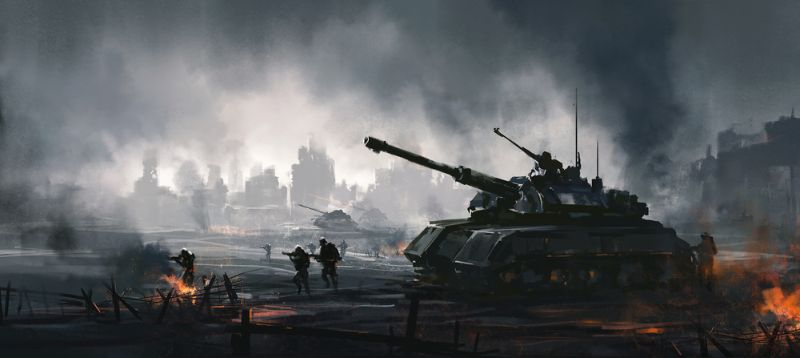
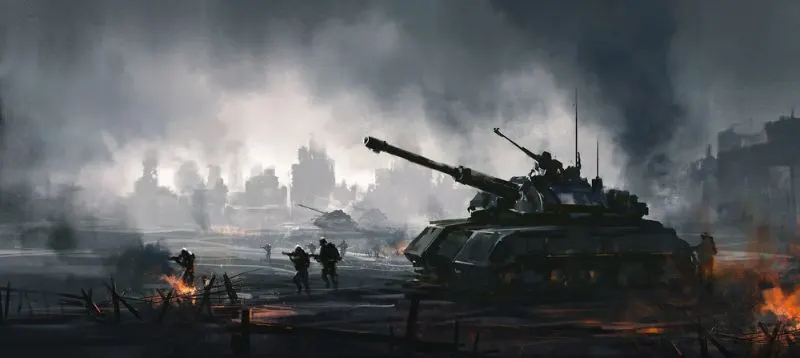
Natural vegetation is often cleared to allow troops to either move through an area more easily or to improve visibility so that they can detect approaching enemy forces that have an effect on wildlife.
Deforestation and erosion may occur as a result of widespread migration.
Because they provide a wealth of natural resources and cover, many international boundaries run through remote desert and forest, making wildlife refuges and other protected areas along them particularly vulnerable. Habitat loss may endanger species that are already threatened, such as the elephant.
In war-torn areas, living conditions deteriorate and people may resort to hunting wild animals for meat or selling their skins for revenue instead of letting them rot. Poachers also kill wildlife for profit. Rwanda shows how sharply this can cut both ways. The 1994 genocide sent refugees and militias into the Virunga forests, driving deforestation, snaring and bushmeat hunting – yet remarkably few gorillas were killed outright, and sustained protection since has turned the population around. The Virunga population has grown from roughly 300 in the late 1990s to 604 in the 2015-2016 census, and the global mountain gorilla total passed 1,000 in 2018, prompting the IUCN to downlist the subspecies from Critically Endangered to Endangered.
See Related: How To Be An Environmentalist
Over-Exploitation of Natural Resources
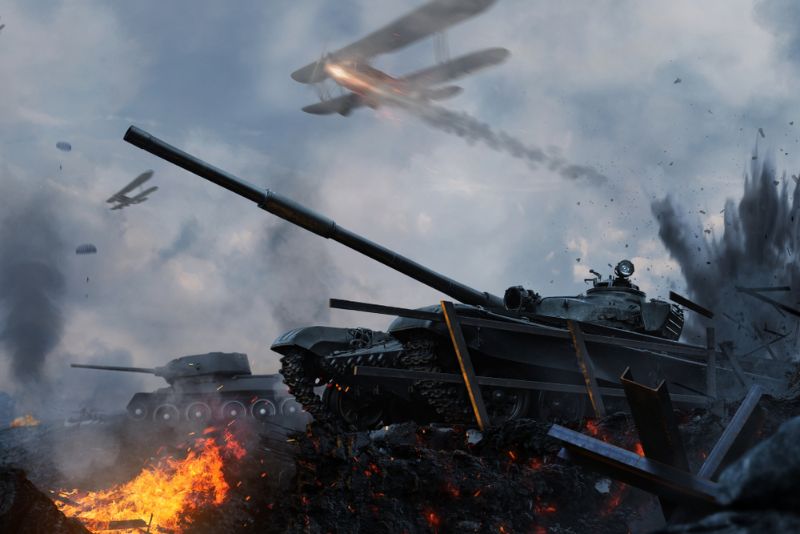
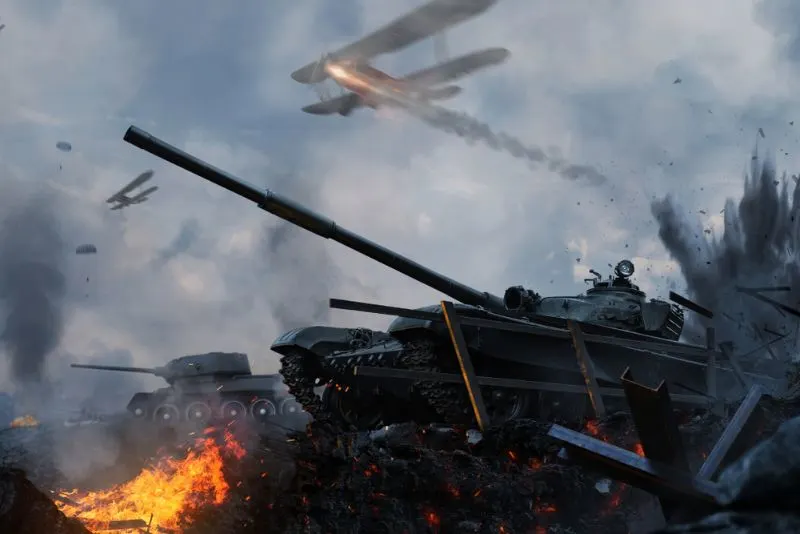
Over-exploitation of natural resources can occur as a result of subsistence use of resources or commercial exploitation of resources.
Wars typically result in the destruction of local rural communities, leaving them unable to grow food crops during wartime because they must turn to wild plant foods and bush meat as substitute food sources to meet their nutritional requirements.
Displaced people often harvest wildlife while they are living away from home, but may continue to do so after they return to their communities, as other sources of food may still be non-existent for some time.
In combat areas hunting of wildlife generally occurs on a grand scale – with larger animals being targeted more frequently – to provide food for military troops.
As many large animals, such as the endangered mountain gorilla, have complex social hierarchies and slow reproductive rates when animals are killed at a rate that exceeds their ability to reproduce it can devastate wildlife populations.
Commercial exploitation and illegal trade of natural resources such as diamonds and timber, and poached ivory and rhino horn are often undertaken to fund military operations, weapons and ammunition.
Exploiting lucrative supplies with a readily accessible supply of weapons creates a vicious cycle that allows armed militias to dominate the region, natural resources, and their illicit trade networks.
The proliferation of weapons, notably high-powered automatic rifles that are far more effective at killing larger game than traditional spears, often results in a rapid escalation in the slaughtering of wildlife for the bushmeat trade.
See Related: Best Conservation Books to Read
Pollution
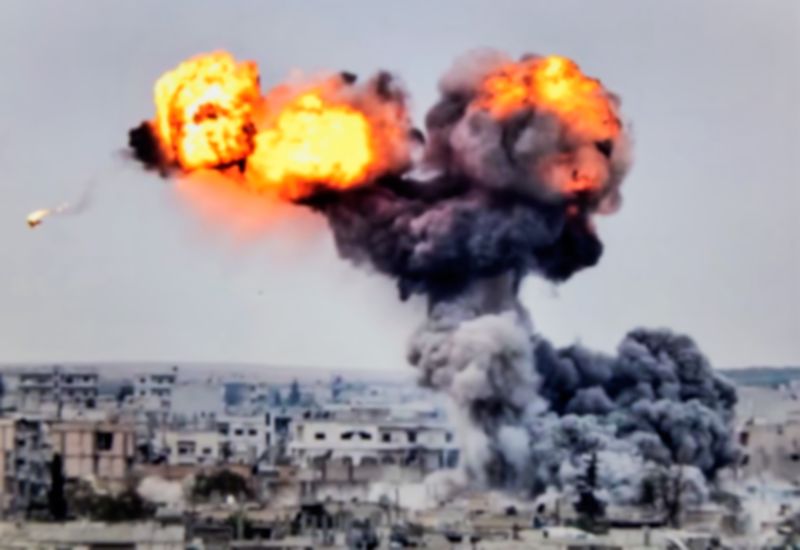
Pollution may occur directly as a consequence of warfare or indirectly as a result of human activities in sensitive areas.
The 1991 Persian Gulf War saw massive amounts of oil deliberately released into the Persian Gulf in an effort to prevent troops from coming ashore – an estimated 4 million barrels, among the largest oil spills ever recorded. As the war progressed, retreating Iraqi forces set fire to roughly 600 to 730 Kuwaiti oil wells, which burned for most of 1991 before the last was capped that November.
The resulting oil pollution and atmospheric pollution had severe environmental consequences, severely impacting local wildlife, especially marine life and seabirds.
Spraying of the herbicide Agent Orange in Indochina to defoliate vegetation during the Vietnam War contaminated vegetation, soil and water with toxic pollutants, with dire consequences for wildlife and for the human populations living in those areas. Under Operation Ranch Hand the United States sprayed roughly 19 million gallons of herbicide over about 2.6 million hectares of South Vietnam. Coastal mangroves were hit hardest: more than half of Vietnam’s mangrove area was destroyed, and much of it was expected to need decades to a century to recover without replanting.
Pollution can also occur indirectly as a result of war. For example, surface water and groundwater sources may become contaminated when large groups of displaced people are forced to settle in temporary refugee camps that lack adequate sanitation and where waste is allowed to accumulate due to lack of services.
Untreated sewage and fertiliser runoff from those camps can also over-enrich nearby rivers and lakes with nitrogen and phosphorus. This process, called eutrophication, triggers algal blooms that strip oxygen from the water and cause fish die-offs – a separate pressure from the overfishing that often accompanies wartime food shortages.
Additionally, pandemic infection is more likely to spread rapidly among people living in cramped, unsanitary circumstances with little or no access to medical care or medicine.
Some illnesses may also be transferred to animals, resulting in significant damage to ecosystems.
What factors affect wildlife populations in conflict zones?
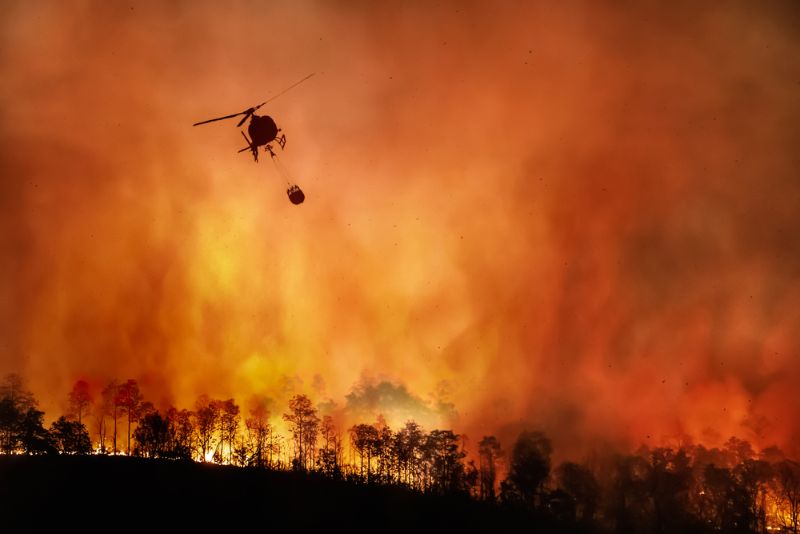
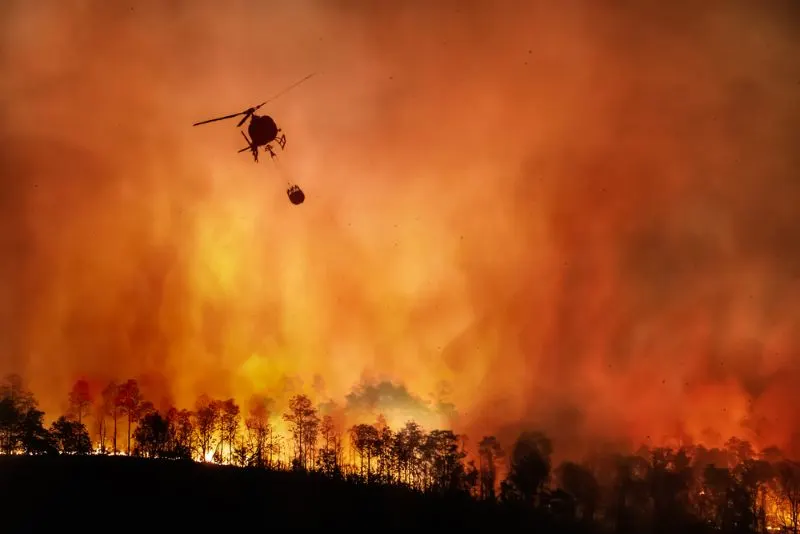
It is important to understand how limiting factors such as food, water, shelter, and space may influence animal or plant populations. Many other limiting factors affect the population as well.
Human Conflict & Warfare
War often comes with an intense negative environmental effect for both people and animals. It can be difficult to properly find balance within differing species, especially if one of the species is armed.
In many cases, animals become the target of military operations. They can be killed intentionally or inadvertently as a result of bombings, gunfire, and landmines.
Wildlife populations become most vulnerable during wartime, particularly in conflict zones, when they are considered an easy source of food for troops. The clearest evidence of scale comes from a 2018 study in Nature, in which researchers Joshua Daskin and Robert Pringle tracked 253 large-herbivore populations across African protected areas between 1946 and 2010. More than 70% of those protected areas were touched by armed conflict, and conflict frequency – not its intensity – was the single strongest predictor of whether wildlife populations grew or collapsed. Even a small increase in how often conflict occurred was enough to tip a stable population into decline.
In addition, conflict destroys natural habitats, displaces wildlife, and introduces new threats, such as firearms and landmines, to animals living in the area.
The widespread use of cluster bombs in repeated armed conflict zones also poses a particular threat to animals as they often contain large numbers of small bomblets that can be scattered over a wide area. These bomblets often fail to detonate on impact and can remain lethal to animals long after the conflict has ended.
Looting and vandalism by troops and civilians also destroy animal habitats and disrupt the food chain within local ecosystems.
The illegal wildlife trade often thrives during times of conflict as well, as desperate people seek to make a profit from selling rare or endangered animals.
In many cases, war can have a devastating impact on local animal populations. One example is the conflict in the Democratic Republic of Congo (DRC), where elephants have been hunted relentlessly for ivory to fund armed groups. Eastern DRC held roughly 22,000 elephants before the civil war; today an estimated 6,000 remain, and the country’s elephant population roughly halved between 1998 and 2015. In the Okapi Faunal Reserve alone, numbers fell from 6,439 to 3,288. For scale, the entire African elephant population is estimated at around 415,000 animals, so losses in the DRC are measured in thousands of elephants, not millions.
In this case, war has caused changes in animal behavior as well. For example, elephants in the DRC no longer migrate due to lack of food and because they fear being killed by rebel groups who hunt them for their meat or ivory.
Elsewhere in Africa, wartime displacement pushes people and their herds into wildlife areas, and predators such as cheetahs and lions are then killed in retaliation for taking livestock – a conflict that intensifies wherever conservation enforcement has broken down.
Consequences for Humans
Wars can have a significant negative impact on human populations as well. The environmental damage caused by conflict is often exacerbated by the poor health of people living in war zones.
The effects of war on the environment can be so significant that it drives people from their homes, which can have a devastating impact on their health.
According to CI, the DRC is an example of how environmental damage caused by armed conflict exacerbates existing poverty and sickness in areas affected by war.
In this case, many people suffer from respiratory problems due to the thick smoke from fires used to cook food and heat homes. The lack of clean water and sanitation facilities also leads to the spread of diseases such as cholera, dysentery, and malaria.
In other cases, war can directly lead to the death of large numbers of people. According to the World Health Organization (WHO), the spread of infectious diseases, malnutrition, and lack of access to health care can lead to a dramatic increase in deaths.
The scale is significant but often misreported: WHO estimates put global conflict-related deaths at roughly 310,000 in the year 2000. Indirect deaths from disease, malnutrition and collapsed health systems typically far exceed deaths from combat itself – in the DRC, the International Rescue Committee attributed some 5.4 million human deaths to the conflict and its aftermath from 1998 onward, the great majority from preventable illness rather than violence.
See Related: Are Humans Animals? 15 Things to Know
Zoo Animals
Zoo animals are often the victims of war as well. They may be killed or tortured, and their habitats may be destroyed. It is important to remember these animals when we think about the consequences of war.
The Baghdad Zoo is the best-documented case. It housed roughly 650 to 700 animals before the 2003 invasion. Within about eight days of the fighting, only some 35 were still alive – the rest had died in the bombing, been looted for food amid severe shortages, or starved and dehydrated in locked cages. South African conservationist Lawrence Anthony reached the zoo in April 2003 and organised the rescue of the survivors, an effort he later recounted in Babylon’s Ark.
How Can We Help?
Thankfully, there are ways we can support wildlife conservation during wartime.
One important step is to ensure that the rules of international humanitarian law are followed by all parties involved in a conflict. This includes making sure that military operations do not unnecessarily harm animals and that they are not used as target practice.
Sustained investment after a ceasefire also works. Gorongosa National Park in Mozambique lost more than 90% of its large mammals during the 1977-1992 civil war. Under a public-private restoration partnership begun in 2004, and with local communities central to the effort, the park now supports more than 100,000 large animals – though its species mix has shifted, with smaller antelope such as waterbuck now dominant where elephant, buffalo and zebra once were. Recovery is possible, but it is slow and it does not simply restore what was lost.
We can also be mindful of how our actions may impact wild animals living in war zones. For example, when traveling in these areas we should avoid buying souvenirs made from ivory, horn, fur or other parts of threatened species.
By being aware of the impact of war on animals, we can help to ensure their safety and welfare during these difficult times.
There are many conservation organizations working to reduce the dramatic wildlife declines seen in areas of repeated armed conflict and civil war. The picture is not uniform: the heavily militarised Korean Demilitarized Zone, closed to people for seven decades, has become an accidental refuge for species including the red-crowned crane – a reminder that it is human pressure, not conflict itself, that usually does the damage.
These events have a dramatic impact on climate change and wildlife conservation activists need your support.
Final Thoughts
In conclusion, it is evident that war has a devastating effect on wild animals, both through direct and indirect means. The impact of war on the environment can be long-lasting and far-reaching, with serious consequences for the welfare of animals.
What are your thoughts?
FAQs
What problems affect animals during the war?
Animals face four main problems during war: habitat destruction from bombing, defoliation and troop movements; a surge in hunting and poaching as food systems fail and armed groups sell ivory and bushmeat; pollution from oil, chemicals, landmines and unexploded ordnance that keeps killing long after a ceasefire; and the collapse of the rangers and conservation programmes that would otherwise protect them. A 2018 Nature study of 253 African large-herbivore populations found conflict frequency to be the single strongest predictor of wildlife decline.
How did the Vietnam War affect wildlife?
The Vietnam War caused some of the most severe wartime environmental damage on record. Under Operation Ranch Hand the United States sprayed about 19 million gallons of herbicide, including Agent Orange, over roughly 2.6 million hectares of South Vietnam, stripping inland forests and wetlands. More than half of the country’s mangrove area was destroyed, and some stands were killed by a single spraying, with recovery estimated to take decades or longer without replanting. Post-war Vietnam has since rebuilt forest cover and established national parks and preserves, but the herbicide dioxin residues and unexploded ordnance left behind still affect soils, waterways and wildlife fifty years on.
Related Resources