Palm oil is an edible vegetable oil pressed from the fruit of the oil palm tree (Elaeis guineensis), and it turns up in packaged food, cosmetics, soap and cleaning products under hundreds of different ingredient names. Roughly 8% of supermarket food products list it outright, and about 18% contain it once palm-derived ingredients in toiletries and homecare are counted. The brands below are among the best-documented users.
Global palm oil production hit a record 80.7 million tonnes in 2025/26, with Indonesia (about 46.7 million tonnes) and Malaysia (about 20.2 million tonnes) supplying roughly 83% of the world total, according to USDA forecasts. That concentration is why the crop is so tightly bound up with rainforest loss in Borneo, Sumatra and, increasingly, Papua.
Below is a detailed look at 15 companies and brands documented as using palm oil or palm oil derivatives, followed by how to spot the ingredient on a label, how to avoid it, and what “sustainable palm oil” actually certifies.
What Is Palm Oil, and Why Is It in So Many Products?
Palm oil comes from the fleshy fruit of the oil palm, Elaeis guineensis. A second, chemically different oil – palm kernel oil – is pressed from the seed inside that fruit and shows up mostly in soaps, detergents and confectionery coatings.
Manufacturers reach for it for four practical reasons: it is semi-solid at room temperature without hydrogenation, it is almost odourless and tasteless, it resists oxidation so products keep longer, and the oil palm yields far more oil per hectare than soy, rapeseed or sunflower. That last point matters in the sustainability argument, and it is the reason a straight boycott is not the simple win it looks like.
The trade-off is where it grows. Oil palm needs the wet tropical lowlands that also hold the world’s most biodiverse rainforest. Both the Bornean and Sumatran orangutan are listed as Critically Endangered by the IUCN, with only around 14,000 Sumatran orangutans left, and Indonesia lost 433,751 hectares of forest in 2025 – a 66% jump on the 261,575 hectares lost in 2024, according to an investigation by Auriga Nusantara.
Is Palm Oil Really in 50% of Supermarket Products?
Probably not – and this is the most-repeated claim about palm oil. The “nearly 50% of supermarket products” figure is usually attributed to WWF, which revised an earlier estimate to 50% in 2006, but the underlying methodology has never been published.
A peer-reviewed 2025 study, Does palm oil really rule the supermarket?, published in Environmental Research: Food Systems, tested it directly. Researchers read the ingredient lists of about 1,600 food products at Sainsbury’s in the UK, Albert Heijn in the Netherlands and Woolworths in Australia.
- 7.9% of food products listed palm oil as an ingredient.
- 18% contained it once palm-derived ingredients in toiletries and homecare were included.
- Maize oil appeared in 19% of products, rapeseed oil in 15% and soya oil in 14% – all more common than palm oil in food.
The honest summary is that palm oil is common, concentrated in specific categories – baked goods, confectionery, spreads, instant noodles, soap and cosmetics – and far less universal than the campaign figure suggests. We have corrected this page accordingly rather than repeat a number we cannot source.
How to Identify Palm Oil on an Ingredients Label
This is the hard part, and it is why shoppers give up. Palm oil is rarely printed as “palm oil” in cosmetics and cleaning products. Campaigners and certifiers have catalogued hundreds of derivative ingredient names that can be palm-derived.
Common names for palm oil and its derivatives
- Obvious ones: palm oil, palm kernel oil, palm fruit oil, palm stearine, palmolein, Elaeis guineensis.
- Fatty acids and esters: palmitate, palmitic acid, palmate, stearic acid, stearate, glyceryl stearate, sodium kernelate.
- Surfactants in soap, shampoo and detergent: sodium lauryl sulfate, sodium laureth sulfate, cetyl alcohol, cetearyl alcohol.
- The vague catch-all: “vegetable oil” or “vegetable fat” with no species named – in practice this very often includes palm.
A useful shortcut used by palm-oil-free certifiers: if an ingredient contains the letter strings palm, stear, laur, glyc, cetyl, cetear, ole or elae, treat it as suspect and check the brand’s own sourcing statement. Labelling rules differ by market – the EU has required vegetable oils to be named by type on food labels since 2014, while US labels may still say only “vegetable oil”.
List of Companies and Brands that Feature Palm Oil Products
1. Nichols PLC – Beverages
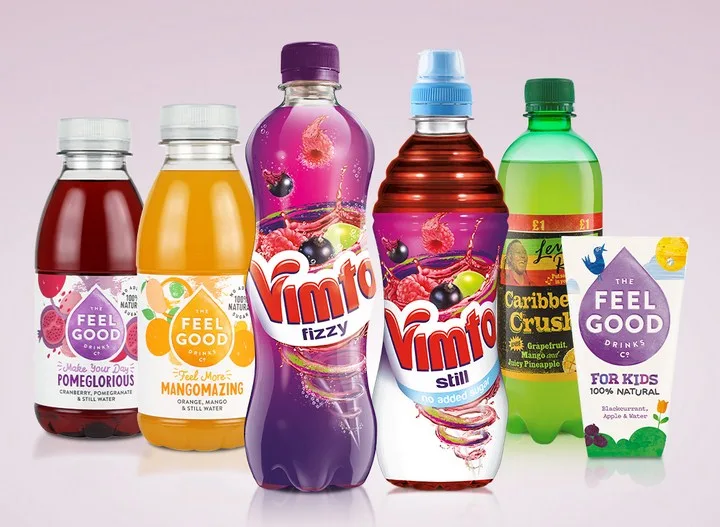
Nichols PLC is a popular global beverage company headquartered in the UK. Its market for soft drinks and juices, including Starslush, Vimto, Sunkist, and ICEE, is worldwide.
Palm oil and its derivatives appear in drinks mainly as emulsifiers, clouding agents and creamers rather than as the drink’s fat, and they replaced partially hydrogenated oils after regulators moved against artificial trans fats. Palm oil is not a trans fat, but it is high in saturated fat – 49 g per 100 g, versus 82 g per 100 g for palm kernel oil (USDA FoodData Central).
Other brands that use palm oil in beverages, such as Redbush Tea Co and SHS Group (Schloer, Bottle Green Drinks), also feature palm oil products.
See Related: Products to Help Climate Change
2. Skippy’s Peanut Butter
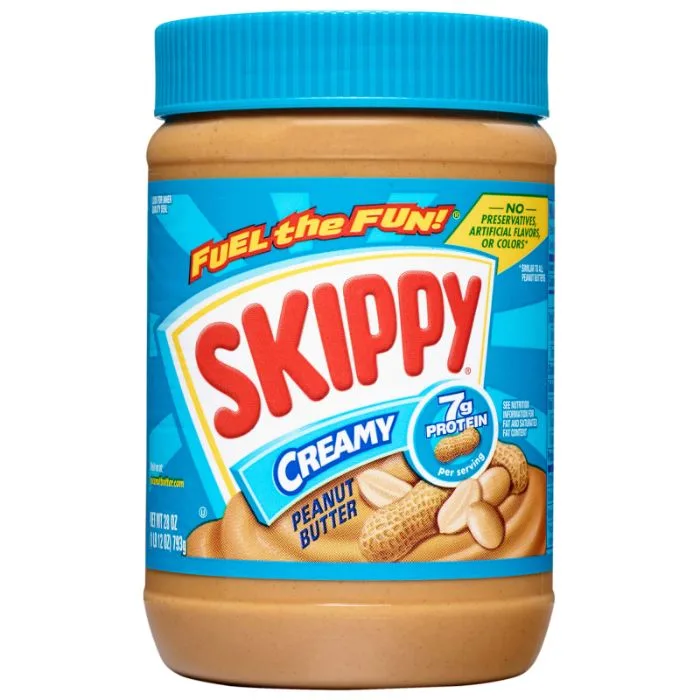
Peanut butter is one of the most commonly used types of butter in most households. However, many peanut butter brands use high levels of palm oils that are unsuitable for our health. According to United States Food & Drug Administration restrictions, companies cannot use artificial trans fats to make butter, so many peanut butter companies have turned to palm oil.
Skippy’s Natural Peanut Butter Spreads do contain certified sustainable palm oil as their ingredients.
Other peanut butter brands that use palm oil include supermarket own-labels such as Tesco and Sainsbury’s, where it is added to stop the oil separating. If you want to avoid it entirely, look for a two-ingredient jar – peanuts and salt – or see our guide to palm oil free peanut butter.
See Related: 19 Best Vegan Pantry Staples to Buy Today
3. Max Factor – Cosmetic Company – Lipsticks
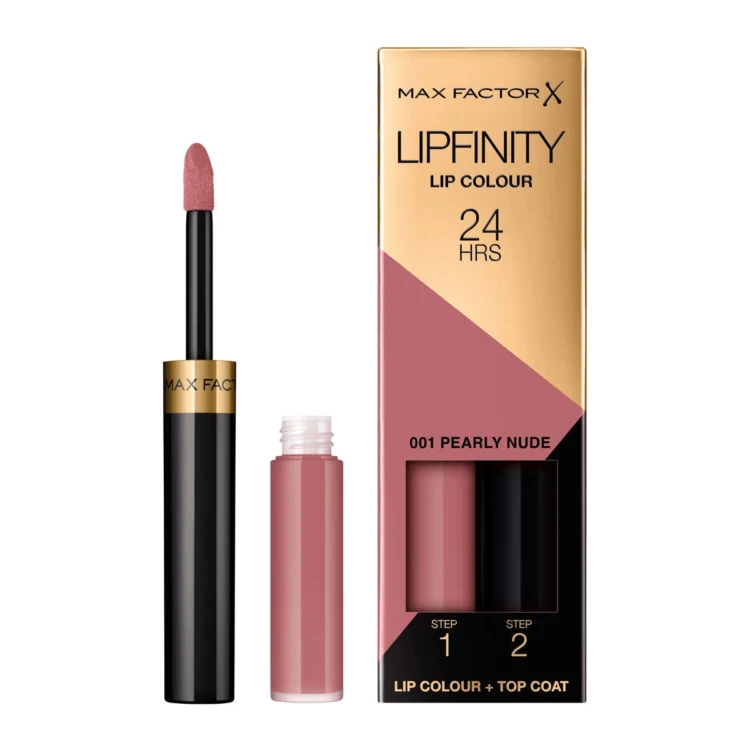
Lipsticks are one of the most demanding cosmetics women use in their daily makeup routine.
Max Factor uses palm oil in its lipsticks and other cosmetic products. Palm oil has wide applications in cosmetics because of its texturizing and moisturizing properties, and it holds the color well in lipsticks.
At the same time, palm oil in beauty products can make them more likely to cause irritation and sensitivity to the skin.
Other brands that use palm oil in Lipsticks are Revlon, MAC (which contains ingredients derived from palm oil), and Rimmel, which uses regular palm oil in most of their makeup products.
See Related: Best Vegan Boots: Top Picks for Eco-Friendly Footwear
4. No7 Beauty Company – WBA (Shampoos and Soaps)
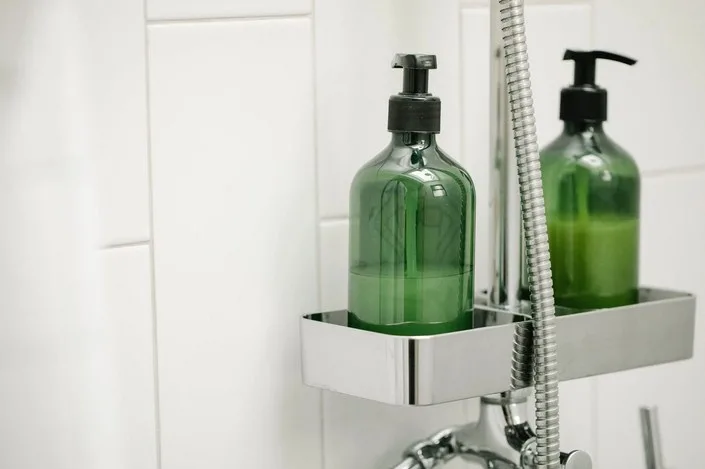
No7 Beauty is a consumer-led beauty company launched by the well-known WBA – Walgreens Boots Alliance. It is being noticed that many of their beauty products, such as shampoos and soaps, contain palm oil.
Palm oil is commonly used as the foaming ingredient in most shampoos and soaps.
Other brands that use palm oil in soaps and shampoos, such as Dove, Radox, Head and Shoulders, Baylis and Harding, and Herbal Essences, feature palm oil products.
Soap is one of the hardest categories to shop palm-free, because the surfactants that make lather – sodium lauryl sulfate, sodium laureth sulfate, sodium kernelate – are usually palm-kernel derived even when the label never says “palm”.
See Related: Best Palm Oil Free Soap Brands
5. Wall’s Soft Scoop ice cream
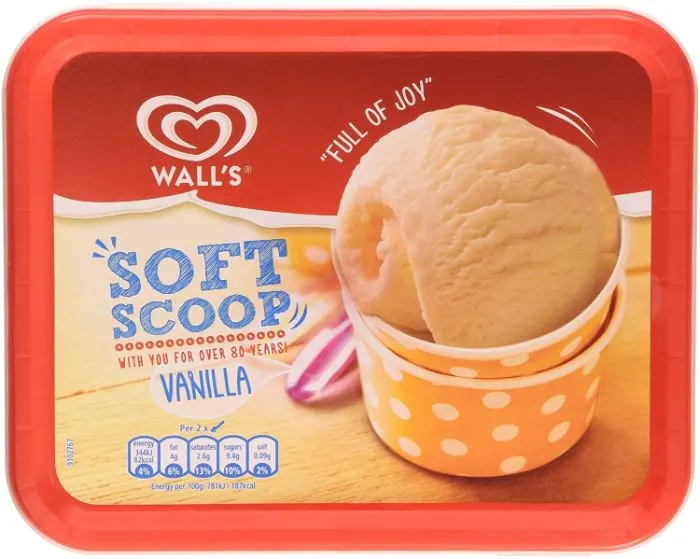
You might be surprised that various ice cream brands also use palm oil, including Wall’s Soft Scoop. Palm oil is usually used to thicken the consistency of ice cream and enhance its taste. A suitable replacement for dairy fats, it can also improve the melting point of ice cream.
However, since palm oil has a high saturated fat content, which is unfavorable for our health, it is not a safe substitute.
Other ice creams that contain palm oil include Nobbly Bobbly and Fab. Palm and coconut fats are used in the coatings and in dairy-free tubs, so “vegan” on an ice cream label does not mean palm-free.
See Related: Ways to Help the Environment in Everyday Life
6. KLK and IOI – the Suppliers Behind Instant Noodle Brands
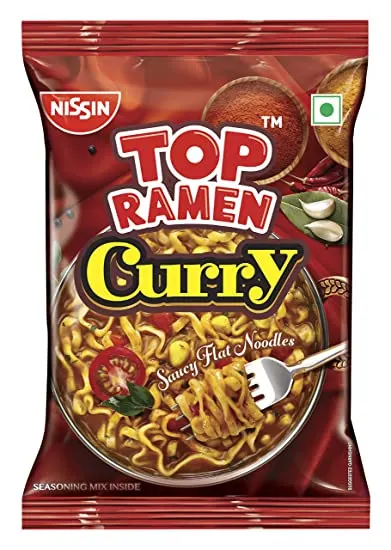
Instant noodles are one of the categories where palm oil is close to unavoidable: most instant noodle blocks are flash-fried in palm oil before drying, which is what gives them their shelf life. Unlike the other entries on this list, KLK and IOI are plantation and refining companies – they produce palm oil rather than sell it to you in a packet – but they sit directly upstream of brands most shoppers do recognise.
KLK and IOI are big multinational companies with global business in different divisions. They are major palm oil suppliers to brands such as Toyo Suisan, Nongshim, Nissin, and Sanyo Foods, which use this oil in instant noodle manufacturing.
As instant noodles are used in almost every household, people can come together to demand a better alternative and derive a change globally.
Other brands that use palm kernel oil in instant noodles, such as Batchelor’s SuperNoodles and Pot Noodles, contain regular palm oil.
7. Soho Coffee Company
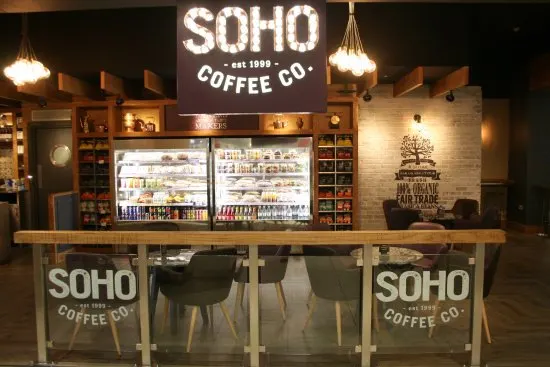
This is a popular coffee brand with stores in different regions worldwide. The company has been in business since 1999 and has a good reputation. The company claims to use 100% Fairtrade and 100% Organic coffee, but it has failed to provide sufficient information on palm oil usage.
Other brands that use palm oil in coffee: Caffè Ritazza, Coffee Republic, Caffè Nero AMT Coffee, Muffin Break, Esquires, Boston Tea Party, Bewley’s, Harris and Hoole, and Puccino’s are involved in palm oil supply chain.
8. Garfield Weston (Jordans, Dorset)
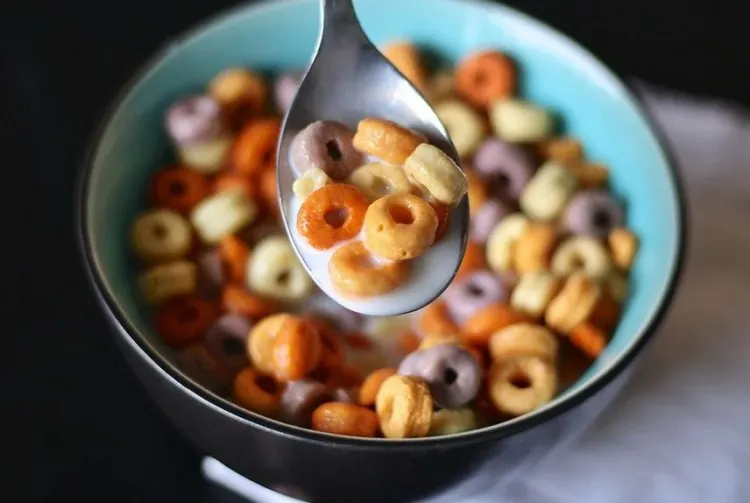
Do you ever pay attention to ingredients when you buy your breakfast cereal? Many brands use high levels of palm oil in cereals and other food products.
Unsustainable palm oil is the primary reason behind massive deforestation. Still, many well-known brands use palm oil just to make monetary profits.
Other brands that use palm fruit oil in Cereals are Associated British Foods (Primark, Jordans, Kingsmill) and Eat Natural Post Holdings (Weetabix).
9. Dr. Schar Bread

Companies like Dr. Schar, which produces white bread, use palm oil as an ingredient to improve the texture and loaf volume of end products.
Packaged bread usually contains palm oil because it is cheap. It keeps the bread fresh and solid for a long time at room temperature. However, due to its high saturated fat content, palm oil can harm cardiovascular health.
Other brands that use palm kernel oil in bread are Braces Bakery, All About Food Limited (Cranks), and Roberts Bakery.
10. Pacifica Beauty (Perfumes)
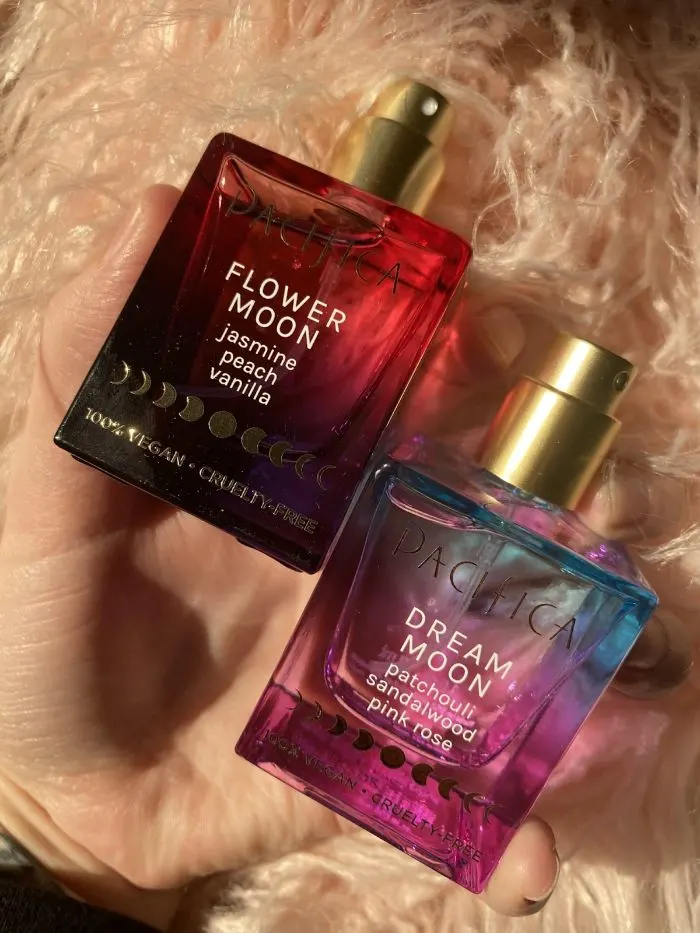
This makeup and cosmetic company offers various perfumes and colognes at affordable prices. It also provides its consumers with a whole range of other beauty products.
Palm derivatives are workhorses in fragrance and cosmetics, acting as emulsifiers, thickeners and carriers rather than as a headline ingredient. In the 2025 supermarket study, adding toiletries and homecare roughly doubled the share of products containing palm – from 7.9% of food products to about 18% overall.
Other brands that use palm oil derivatives in perfumes are Shiseido Company (Gabbana perfume), Holland and Holland (Chanel perfume), L’Occitane, Bliss, and Coty ( Wella, plus perfumes for Adidas, Calvin Klein, and Burberry), and Inter Parfums (Karl Lagerfield, Banana Republic perfumes, Jimmy Choo, Paul Smith, Gap).
See Related: Is Maybelline Cruelty-Free? What the Labels Actually Mean
11. Butcher’s Pet Care
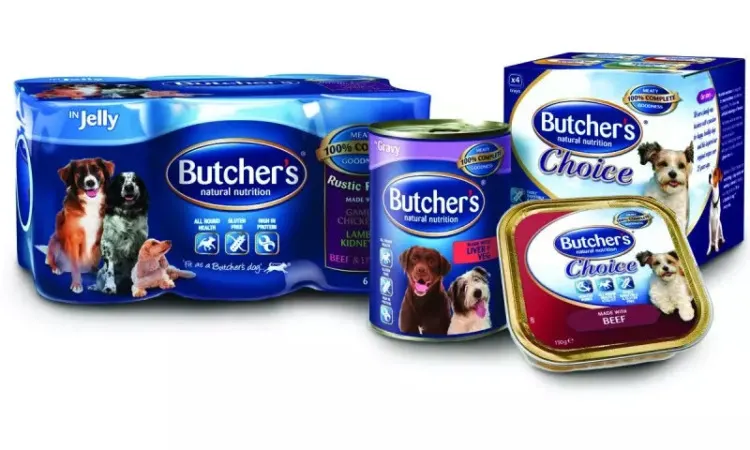
This Pet food company is based in Northamptonshire, England, and specializes in natural pet food for cats and dogs. Its products are available online throughout the UK and in various markets worldwide.
They claim that their pet foods and treats are made with natural ingredients and beneficial oils, which are 100% naturally balanced and help pets stay healthy.
Palm oil and palm-derived fats do appear in some pet foods and treats as an energy source. To be accurate about the risk: palm oil is not poisonous to dogs. Veterinary guidance from Vets Now is that it acts as a laxative and, in quantity, can cause vomiting, diarrhoea and dehydration, and in extreme cases pancreatitis or an intestinal blockage because it sets semi-solid.
The far more serious hazard is beach-cast palm oil – waxy white, yellow or orange lumps that wash ashore after cargo discharge and are often contaminated with diesel. If your dog eats one, call your vet and take a sample of the substance with you. Propylene glycol and glycerin are separate ingredients and are not forms of palm oil; the earlier version of this page said otherwise and that was wrong.
12. Domino’s Pizza
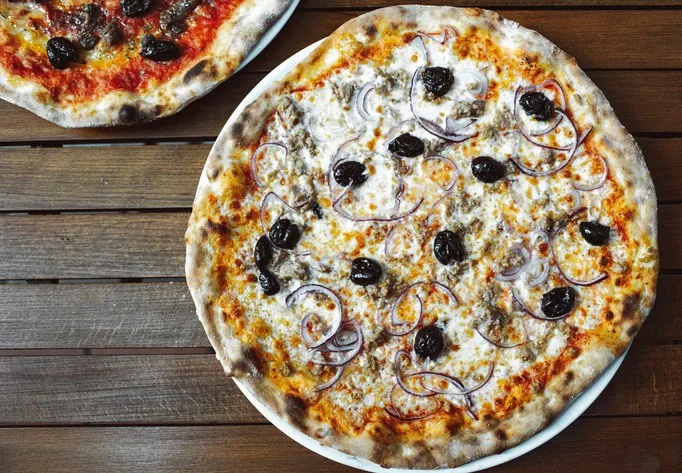
Founded in 1960, Domino’s Pizza is a world-leading pizza company. They offer different pizza flavors and some bread sides that people love to eat. However, it has been observed that the cheese they use on their pizzas is usually made of palm oil.
Palm oil is high in saturated fat – 49 g per 100 g according to USDA FoodData Central, compared with about 15 g for rapeseed oil and 14 g for olive oil. Palm kernel oil is higher still at 82 g per 100 g. Health authorities advise limiting saturated fat because of its effect on LDL cholesterol, which is why palm oil content is worth reading for dietary reasons as well as environmental ones.
There has always been a debate on using palm oil in the food industry. Therefore, many brands are trying to adopt a new approach to prepare better and healthier products. However, it entirely depends on big-name brands, such as how they eliminate palm oil from their ingredients and what alternative they use to prepare their food products.
Other fast food and takeaway brands that use palm oil are Yo! Sushi, Leon, Subway, Greggs, Itsu, and KFC.
13. Mcbride (Cleaning Products Suppliers)
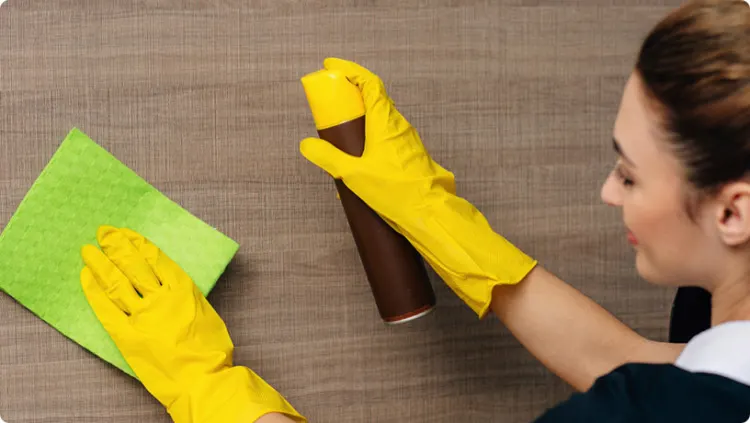
McBride is the leading manufacturer and supplier of domestic and professional cleaning products. Its wide range is divided into different divisions: Aerosols, Powders, Unit Dosing, Asia Pacific, and Liquids.
Palm oil is one of the most environmentally unfavorable ingredients used as an effective foaming agent in several household and commercial cleaning products.
Other cleaning products that contain palm oil are Enpac (Simply), McBride (Surcare, Frish, Planet Clean), Lilly’s Eco Clean, and Procter & Gamble (Head & Shoulders, Fairy, Pampers). The active ingredients to watch here are the palm-kernel surfactants – sodium lauryl sulfate and sodium laureth sulfate – which almost never appear on a label as “palm”. Household chemistry rewards reading closely in general; see, for example, whether Preen is bad for the environment.
See Related: Is Dove Cruelty-Free? What You Need To Know About Their Animal Testing Policy.
14. Colgate Company
Millions of people worldwide trust Colgate products such as toothbrushes, toothpaste, lotions, cleaners, and oral care resources.
This company uses palm oil and its derivatives to manufacture its oral care and cosmetic products.
See Related: Sustainable Toothpaste Products Ranked
15. Ferrero, Mondelēz and the Chocolate Aisle

Food products that require a fat component commonly use palm oil as one of the major ingredients. Many chocolate companies use palm oil in the chocolate-making process to ensure smooth texture and appearance.
Chocolate and spread brands that use palm oil include Cadbury Dairy Milk and Cadbury Roses (Mondelēz), Mars, Aero (Nestlé) and Nutella, Kinder and Ferrero Rocher (Ferrero). Ferrero is the clearest single-company example: it states that the palm oil in Nutella is 100% RSPO-certified segregated, kept physically separate from conventional palm oil through the whole supply chain, and it defends using palm oil on the grounds that the alternative – hydrogenating another oil to get the same semi-solid texture – would create trans fats. Certification is a claim about sourcing, not a claim that no forest was ever cleared.
Palm oil is widespread rather than universal – about 8% of supermarket food products and roughly 18% of products overall once toiletries and homecare are counted. Where it does the damage is upstream: clearing lowland tropical forest for plantations displaces communities, releases stored carbon, and removes habitat from orangutans, Sumatran tigers, sun bears and pygmy elephants. See our list of animals that have gone extinct due to deforestation and the wider cast of rainforest animals that depend on the forests being cleared.
One correction worth making, because it is repeated everywhere: “Iceland” in the palm oil story is not the country – it is Iceland Foods, the UK frozen-food retailer. In April 2018 it pledged to remove palm oil from its own-brand food by the end of that year. It missed the deadline, took its own name off 32 product lines rather than reformulate them, and then reversed the ban in March 2022, when the war in Ukraine sent sunflower oil prices soaring; it said it would use certified sustainable palm oil as a temporary last resort. No national government has banned palm oil in manufacturing.
The real regulatory pressure is coming from the EU Deforestation Regulation (EUDR), which covers palm oil alongside soy, cocoa, coffee, cattle, rubber and timber. It requires companies placing these goods on the EU market to supply geolocation coordinates for the plots they came from and evidence of legal, deforestation-free production. After two delays, it applies to large and medium operators from 30 December 2026 and to micro and small operators from 30 June 2027. Several big companies have separately taken eco-friendly steps in manufacturing their products.
More and more brands are trying to switch to organic or sustainable palm oil, but many big, influential brands have yet to make responsible decisions.
How to Avoid Products That Contain Palm Oil
There is no single label that guarantees a product is palm-free, so avoidance is a process rather than a rule. These four steps do most of the work.
- Read for the derivative names, not the words “palm oil”. In soap, shampoo, detergent and cosmetics the palm content is nearly always a derivative – stearate, palmitate, sodium lauryl sulfate, cetearyl alcohol.
- Treat unqualified “vegetable oil” as a maybe. In the EU the specific oil must be named on food labels; in the US it often is not.
- Look for a certified palm-oil-free mark rather than an unverified “no palm oil” claim on the front of pack.
- Substitute in the heaviest categories first. Spreads, biscuits, instant noodles, chocolate, soap and shampoo carry most of the household total; swapping those beats auditing every item in the trolley.
It is also worth asking whether avoidance is the goal. Oil palm produces several times more oil per hectare than soy, rapeseed or sunflower, so replacing it one-for-one with another crop can mean clearing more land, just somewhere less visible. Most conservation groups – including WWF – therefore push for certified, deforestation-free palm oil rather than a boycott.
Does Coca-Cola or McDonald’s Use Palm Oil?
Coca-Cola
Coca-Cola uses very little palm oil. The company is an RSPO member, and its own disclosures describe palm oil as a small part of its supply chain, concentrated in food products sourced for its Costa Coffee business rather than in its drinks. The soft drinks themselves are not a meaningful palm oil product.
McDonald’s
Yes – McDonald’s uses palm oil, mainly as par-fry and restaurant cooking oil and as an ingredient in some core products. It is an RSPO member and requires those volumes to be RSPO-certified; the company reported that 81.63% of them were RSPO physically certified in 2024. Note the wording: “physically certified” is a stronger claim than buying certificates on paper, and the remaining share is where the gap sits.
Is Palm Oil Bad for Your Health?
Palm oil is not a trans fat, and it largely replaced partially hydrogenated oils in packaged food after regulators moved against artificial trans fats – a change public-health researchers at the Harvard T.H. Chan School of Public Health welcomed.
What it is is saturated. USDA FoodData Central puts palm oil at 49 g of saturated fat per 100 g and palm kernel oil at 82 g per 100 g, against roughly 15 g for rapeseed and 14 g for olive oil. Dietary guidance in the US and UK is to limit saturated fat because of its effect on LDL cholesterol, so the practical read is that palm oil is better than the trans fats it replaced and worse than liquid unsaturated oils.
What “Sustainable Palm Oil” and RSPO Certification Actually Mean
The Roundtable on Sustainable Palm Oil (RSPO) is the main certification body, founded in 2004. It sets standards on deforestation, peatland, labour rights and community consent, and audits growers against them. Certified output is called CSPO – certified sustainable palm oil.
The scale is easy to misread in both directions. The RSPO Impact Report published in August 2026 reports that 16.2 million tonnes of CSPO were sold in 2025, about 20% of global palm oil supply, while RSPO member growers now hold certified capacity of 31.4 million tonnes – enough for close to 40% if the market absorbed it. So certified palm oil is a large minority of the trade, not the default.
The four RSPO supply chain models, weakest to strongest
- Book and Claim: the buyer purchases credits from certified growers. No physical link to the oil in the product.
- Mass Balance: certified and conventional oil are mixed, with volumes tracked administratively.
- Segregated: certified oil is kept physically separate throughout the supply chain.
- Identity Preserved: the oil is traceable to a single certified mill and its supply base.
This is why “we use sustainable palm oil” on a wrapper can mean very different things. A company buying Book and Claim credits and one buying Identity Preserved oil can make almost the same marketing claim. When a brand names its model – as Ferrero does for Nutella with segregated oil – that is a meaningfully stronger statement than membership alone.
FAQs
Does Dove still use palm oil?
Yes. Dove is a Unilever brand, and palm-derived surfactants are central to how soap and shampoo lather, so removing palm oil entirely is not realistic for the category. Unilever is the largest palm oil buyer in consumer goods and reports that it sources certified palm oil against RSPO standards. Treat that as a sourcing commitment rather than a promise that no palm oil is present.
What company uses the most palm oil?
Unilever is the largest palm oil buyer among consumer goods companies, taking roughly 1 million tonnes of crude palm oil plus about 0.5 million tonnes of palm kernel oil a year, which is around 4% of world supply. Procter and Gamble used about 605,000 tonnes in its 2020-21 financial year and Nestle bought about 453,000 tonnes in 2020. The genuinely largest handlers of palm oil are not consumer brands at all but traders and refiners such as Wilmar, Musim Mas and Golden Agri-Resources.
What American companies use palm oil?
American companies that use palm oil incorporate it into their products, including food, cosmetics, and cleaning supplies. Some of the largest US-headquartered companies that use palm oil include PepsiCo, Procter & Gamble, Mars and Mondelez. Palm oil has been controversial due to its environmental impact, including deforestation and habitat destruction for endangered species.
Does ice cream contain palm oil?
Many do. Palm oil and palm kernel oil are used in ice cream to replace dairy fat, raise the melting point and give chocolate coatings their snap, so they are especially common in value tubs, coated lollies and dairy-free ranges. Premium dairy ice creams that use only cream and milk fat generally do not contain palm oil. Check the ingredients for palm oil, palm kernel oil, vegetable fat or stearine.
Related Resources
Trying to shop cleaner? See our picks for the best palm oil free peanut butter.
See Related: 25 Important Pros and Cons of Shale Oil
See Related: Animals That Have Gone Extinct Due to Deforestation