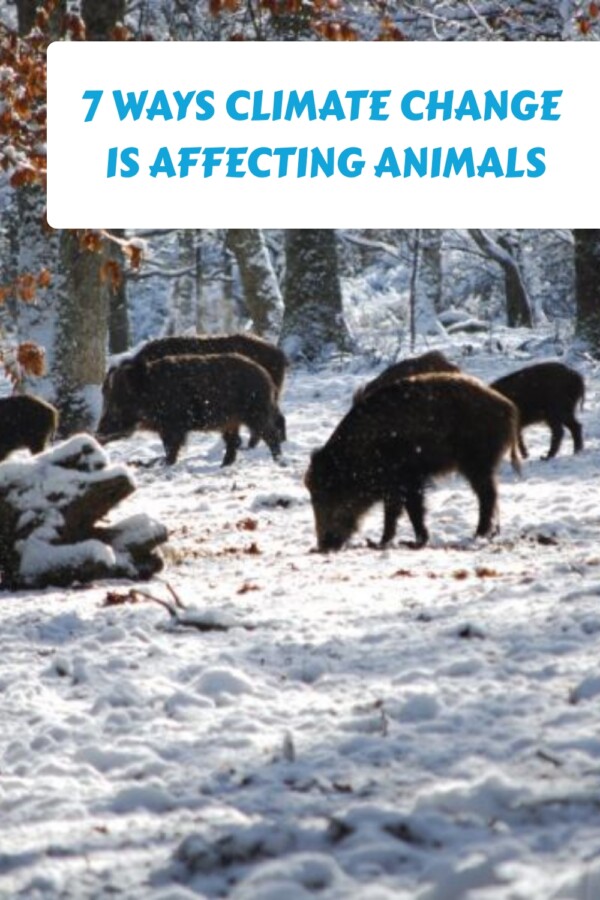
Climate change affects animals mainly by shifting where they can survive, changing when they breed and migrate, cutting the food available to them, and warming and acidifying the ocean itself. The scale is already measurable: the IPCC found climate-driven local population extinctions in 47% of 976 species examined, and 2024 became the first calendar year more than 1.5°C above pre-industrial temperatures.
Wildlife faces new and daunting challenges from the Arctic to the Amazon rainforest as the Earth’s climate shifts. It shows alteration in migration patterns and disruption of food chains. Climate change is having a profound impact on the world’s wildlife.
Many species struggle to adapt as the planet continues warming and global sea levels rise. And they are facing new and emerging threats. The effects of climate change are felt in tropical rainforests, ocean habitats, and even our backyards.
Below are the seven mechanisms that do most of the damage, each with the current evidence attached. And what does it mean for the future of our planet’s biodiversity?
Join us as we delve into the science behind this critical issue. And what serious threats are the animals we call our world home face?
The Numbers: How Climate Change Is Hitting Wildlife
- 47% of 976 species studied have already lost local populations to warming, and the Bramble Cay melomys became the first mammal declared extinct largely because of climate change (2016) — IPCC AR6 WGII.
- Arctic September sea ice is shrinking 12.1% per decade (about 74,000 km² a year); the 19 lowest minimums on record are the last 19 years, 2007–2025 — NSIDC.
- 84% of the world’s coral reef area was hit by bleaching-level heat stress in the fourth global bleaching event (2023 to mid-2025), across 83 countries — up from 21% in 1998 — ICRI / NOAA Coral Reef Watch.
- Surface seawater is about 30% more acidic than in pre-industrial times (a pH drop of ~0.1 units), changing at least 10 times faster than any period in the last 50 million years — NOAA.
- Spring is arriving earlier in three-quarters of 276 US national parks, with spring events advancing 1.2 to 3.0 days per decade while birds shift migration only ~2.1 days per decade — a widening mismatch — NPS / USA-NPN.
- 3,500 of the 37,000+ alien species humans have moved around the world are harmful invasives; they feature in 60% of recorded global extinctions and cost over $423 billion a year — and warming is helping them spread — IPBES 2023.
- Arctic soils and permafrost hold 1.4 to 1.6 trillion tonnes of carbon, and the Arctic tundra has now flipped to being a net source of carbon dioxide — NOAA Arctic Report Card 2024.
Ways Climate Change is Affecting Animals
1. Rising Temperatures and Invasive Species
Rising temperatures reshape wildlife and ecosystems — and invasive species are usually the winners, not the losers. Longer warm seasons, milder winters and disturbed landscapes let alien species establish in places that were previously too cold for them, which is why IPBES expects the number of alien species worldwide to rise by roughly 36% by 2050. Native and endemic species, which are adapted to a narrower set of conditions, are the ones squeezed out. Even low-carbon choices at home help only if habitat is protected at the same time.
Plants, animals and even microorganisms are shifting poleward and upslope to survive, and where their new ranges overlap they compete for the same food and habitats. Invasive plants already outnumber native plants on more than a quarter of the world’s islands, and IPBES counts 37,000+ alien species introduced by human activity, of which about 3,500 are harmful invasives implicated in 60% of documented global extinctions.
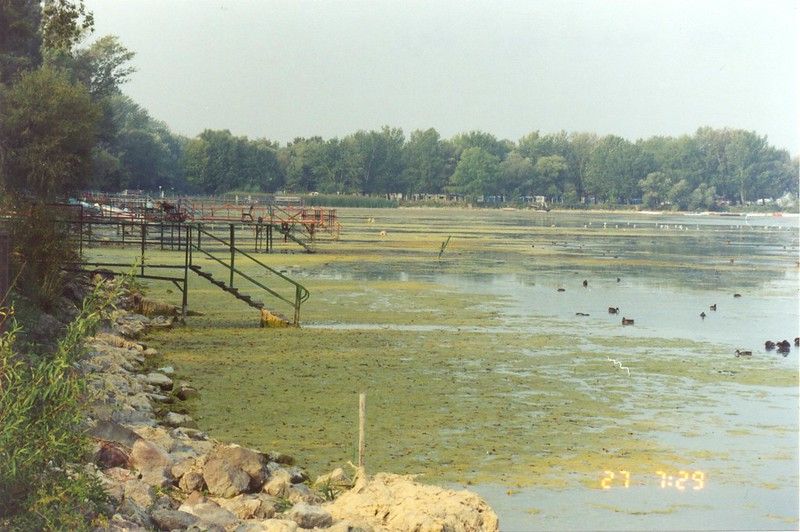
The cost of that reshuffling is enormous for the animal kingdom and for people: IPBES put the annual damage from invasive alien species at more than $423 billion in 2019, a figure that has at least quadrupled every decade since 1970, with 92% of it falling on nature and the benefits people get from it rather than on control programmes. Native species, by contrast, must find suitable habitat that is often already fragmented or occupied.
It is high time we protect our wildlife from the effects of climate change. That means cutting emissions, keeping habitat connected so native species can shift range, and detecting new invaders early rather than helping them establish. IPBES identifies prevention and early detection with rapid response as the most cost-effective measures available, and there are now careers built entirely around climate and conservation work aimed at exactly that, alongside the broader goals of wildlife conservation. All of it works best before it’s too late.
See Related: Endangered vs Threatened vs Extinct Species
2. Flooding and Loss of Habitats
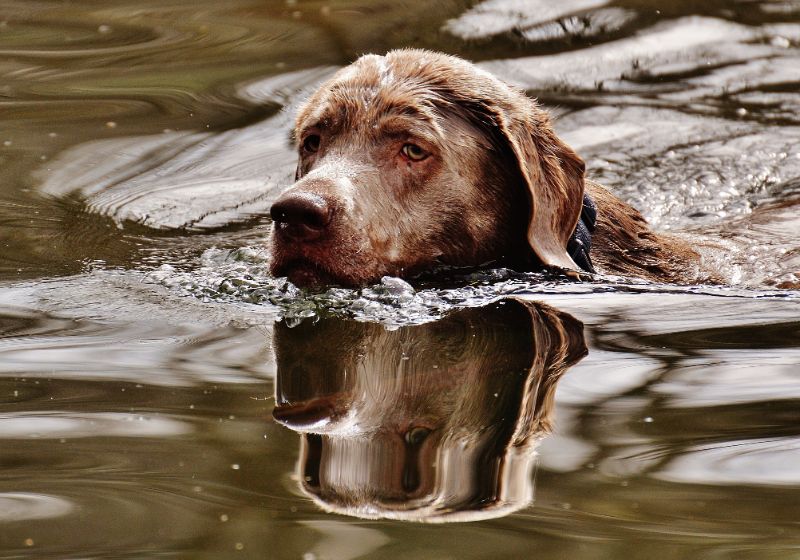
One of the most significant impacts of climate change is the loss of habitat for many threatened species. As temperatures rise, tropical forests are being destroyed at an alarming rate. And it leaves many species without a place to live.
This hits hardest for animals tied to one kind of habitat, such as sea turtles, which need particular beaches to lay their eggs. The National Park Service reports that nesting beaches are increasingly vulnerable to erosion as seas rise — and NASA measures global sea level climbing at 4.5 mm per year in 2024, more than double the 2.1 mm per year recorded in 1993. Warmer sand adds a second, subtler problem: sea turtles have temperature-dependent sex determination, with a pivot temperature near 29.3°C for green turtles. At Raine Island on the Great Barrier Reef, one of the largest green turtle rookeries on Earth, researchers reporting in Current Biology found more than 99% of juvenile hatchlings were female — a female-to-male ratio of about 116 to 1.
The National Park Service is working to protect wildlife and their habitats. But the effects of the climate crisis are already being felt. Local communities are also seeing the impacts of these changes on the animals they rely on for food and cultural significance.
The link between warming, flooding and the loss of habitats is well documented: a warmer atmosphere holds more moisture, so heavy-rainfall events intensify, and the resulting floods and storm surges can wipe out nests, burrows and spawning grounds in a single season. The IPCC assesses that extreme events now regularly exceed the conditions many species are adapted to, on every continent.
Flooding can cause wetland areas to be destroyed, destroying the nests of birds and other animals, and leading to a lack of habitat and food sources for wildlife.
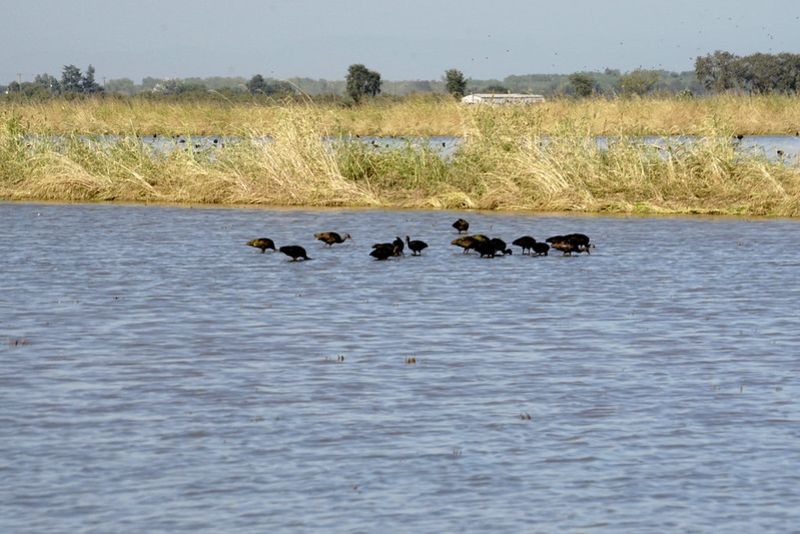
As the climate warms, this destruction will only increase in severity. It will lead to further loss of habitats that provide food sources for wildlife. The long-term effects of these changes on entire ecosystems will be severe. And habitats will become scarce worldwide due to flooding from extreme weather events.
Cutting emissions is the only measure that addresses the cause rather than the symptoms, and the IPCC is explicit that adaptation can reduce risk to ecosystems but cannot substitute for it. Acting sooner keeps more options open for our planet’s wildlife ecosystems and habitats are forever changed.
See Related: Don’t Read This If You Think Climate Change is Fake
3. It Changes Life Cycle Patterns
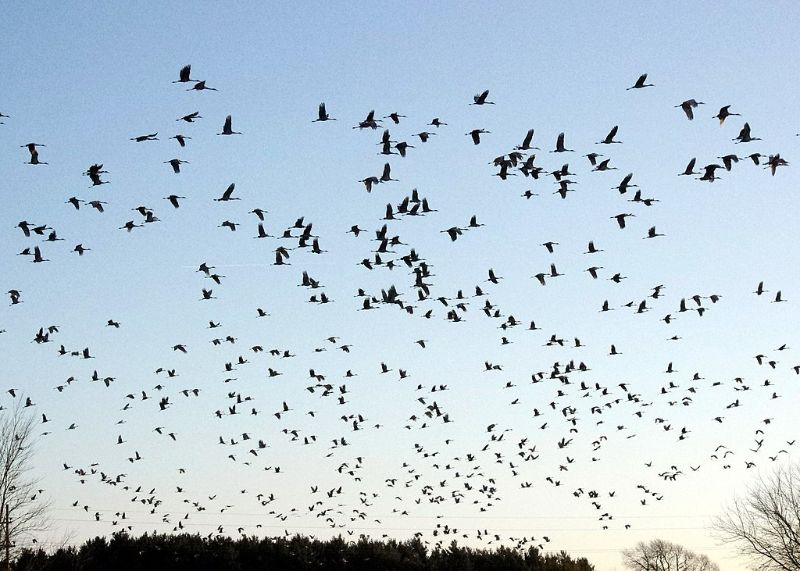
Warming shifts the calendar that wild species run on — the science of this timing is called phenology. Because temperature and rainfall cues differ between species, plants and the animals that depend on them do not shift at the same speed, and the gaps between them widen.
For example, plants may have longer or shorter growing seasons. It means their flowering times may change, affecting when the animal species that pollinate them are available to do so.
The measured shifts are consistent and one-directional. Across 276 US national parks, the National Park Service found spring arriving earlier in about three-quarters of them, with half already in “extreme” early spring by historical standards; spring event dates for most indicator species have advanced 1.2 to 3.0 days per decade. Migratory birds are moving too, but more slowly — a phylogenetic meta-analysis puts spring migration 2.1 days earlier per decade, or about 1.2 days per degree Celsius of warming.
That difference in pace is the real damage, and it has a name: phenological mismatch. In one North American study of 48 migratory bird species, 9 failed to keep up with the advancing spring green-up at all, and across all species the gap between arrival and green-up widened by more than half a day every year — meaning chicks hatch after the peak of the caterpillar flush that should feed them.
See Related: How to Utilize Greenhouse Bees for Pollination
4. Habitat fragmentation
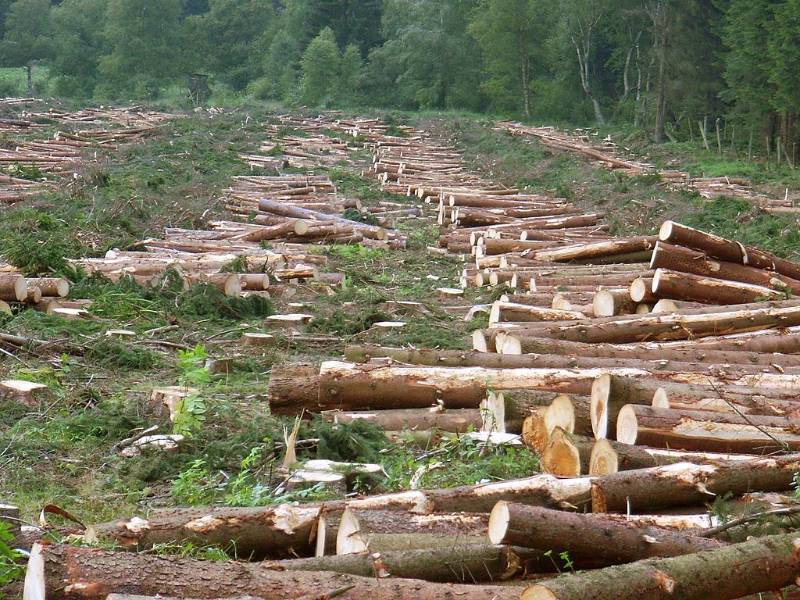
Habitat fragmentation is the process of fragmenting a habitat or breaking it into smaller pieces. It occurs through geological processes such as erosion and volcanism. Or it can be caused by human activities like construction, farming, and logging.
Fragmentation disrupts the flow of energy and resources through an ecosystem, alters which species are present, and pushes small isolated populations toward local extinction. Climate change makes fragmentation far more costly, because the standard response to a warming range is to move: the IPCC has attributed biome shifts of up to 20 km latitudinally and 300 m upslope to human-caused warming. A species that needs to move cannot do so across farmland, highways and cleared forest, which is why the IPCC lists reducing fragmentation and increasing habitat connectivity among the most effective ways to build climate resilience — alongside effective conservation of roughly 30% to 50% of Earth’s land, freshwater and ocean.
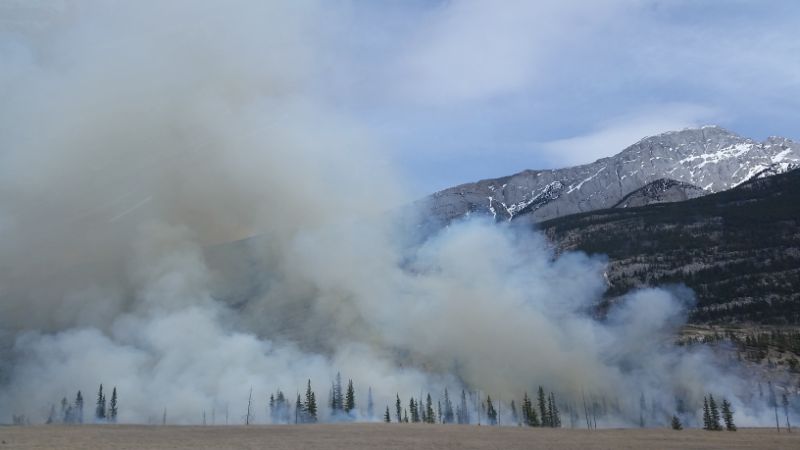
Fragmentation also affects species’ ability to migrate and adapt to climate change. As habitats become fragmented, more effort is needed to protect them from further disruption. It is because fragmentation can cause irreparable damage on a large scale.
See Related: Habitat Loss Solutions You Need to Know
5. Drought, Wildfire and Heat Stress
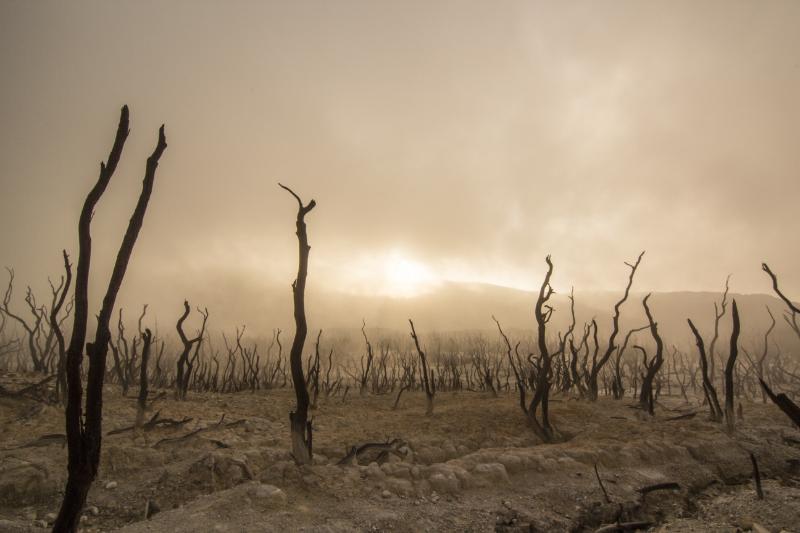
Warming does not only move habitat boundaries — it kills animals outright through heat, drought and fire. The IPCC records mass mortality events of plants and animals with very high confidence, and notes that the most severe impacts fall on species whose traits leave them unable to recover between events.
Fire is the clearest example. The IPCC has attributed regional increases in burned area of up to double natural levels, together with tree mortality of up to 20%, to anthropogenic climate change in tropical, temperate and boreal ecosystems. Wildfires now generate up to a third of global ecosystem carbon emissions, feeding back into further warming, and at 4°C of warming by 2100 fire frequency is projected to rise about 30%.
Heat itself is lethal. The white subspecies of the lemuroid ringtail possum in Queensland vanished after the 2005 heatwaves — intensive censuses in 2009 found just two individuals. Marine heatwaves off western North America (2013–2016) and eastern Australia drove abrupt, multi-year shifts in which species were present at all, taking animal and plant populations with them.
Where heat, drought and fire compound existing habitat destruction, the IPCC finds that risks of local extirpation, extinction and ecosystem collapse escalate rapidly beyond 2°C of warming this century.
Reducing other pressures — fragmentation, pollution, overharvesting — is what buys wildlife time while emissions fall. Without it we risk losing many of the world’s most precious species disappear forever.
See Related: Ways to Conserve Natural Resources
6. Increased carbon dioxide levels in the atmosphere and acidification of the oceans
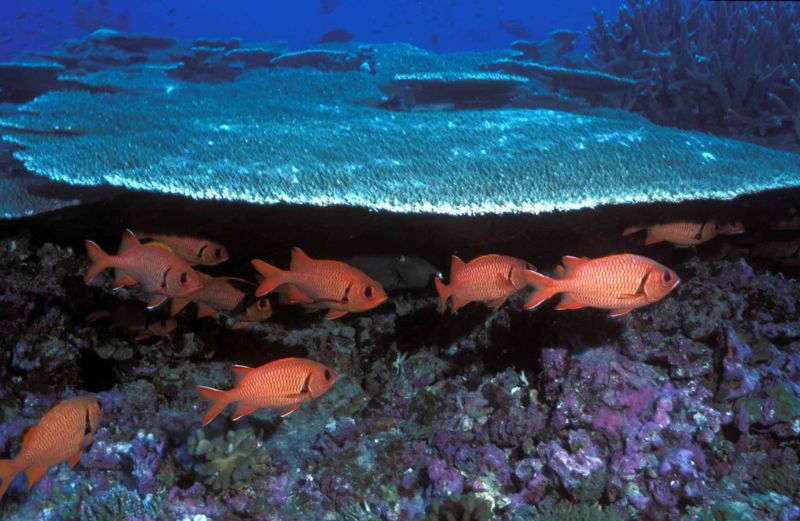
Another way that the climate crisis is affecting wildlife is through increased carbon dioxide levels in the atmosphere. The increase in CO2 is causing the planet to warm and leading to the acidification of the oceans.
It is a significant problem for marine life, particularly for shell-building species. For example, mollusks and crustaceans are becoming more vulnerable to predators.
Ocean acidification affects marine life and coral reefs worldwide, and it is measurable rather than theoretical: the ocean absorbs a large share of our carbon dioxide (CO2) emissions, and NOAA reports that surface-ocean pH has fallen by about 0.1 units since the industrial revolution — roughly a 30% increase in acidity, changing at least ten times faster than any period in the past 50 million years.
And it leads to a decrease in the pH of seawater and makes it more acidic. This change in acidity has a significant impact on the ability of marine species to survive and thrive.
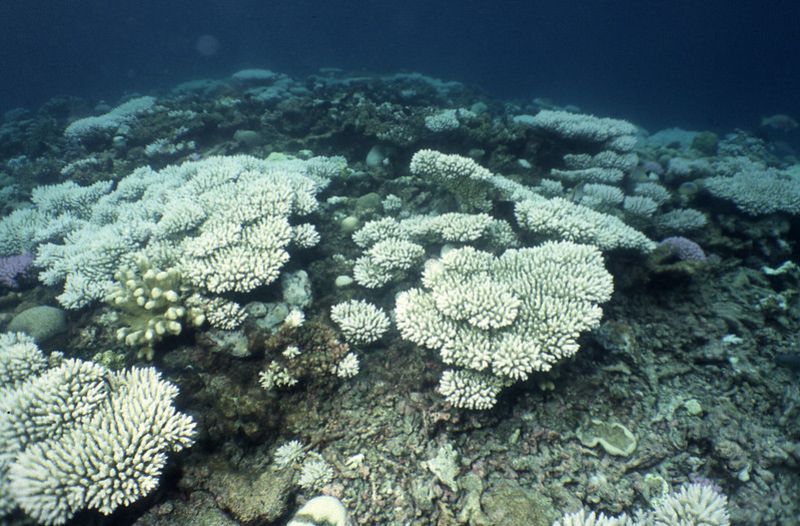
Coral reefs are especially exposed, because more acidic water makes it harder for coral to build and maintain skeletons of calcium carbonate — and warmer water bleaches them. The fourth global bleaching event, running from early 2023 to mid-2025, subjected 84% of the world’s coral reef area to bleaching-level heat stress across at least 83 countries and territories, according to ICRI and NOAA Coral Reef Watch. For scale, the first global event in 1998 reached 21% of reefs, the second 37% in 2010 and the third 68% in 2014–2017. Reefs shelter roughly a quarter of all marine species, so losing them removes habitat for thousands of fish and invertebrates at once.
Ocean acidification is also affecting the ability of some species of fish and shellfish. They can’t build and maintain their shells, which they need to protect themselves from predators. It makes them more vulnerable to predation and can impact entire food webs.
See Related: Are Fish Endangered? What You Need to Know
7. Rising Sea Levels Disrupt the Arctic and its wildlife
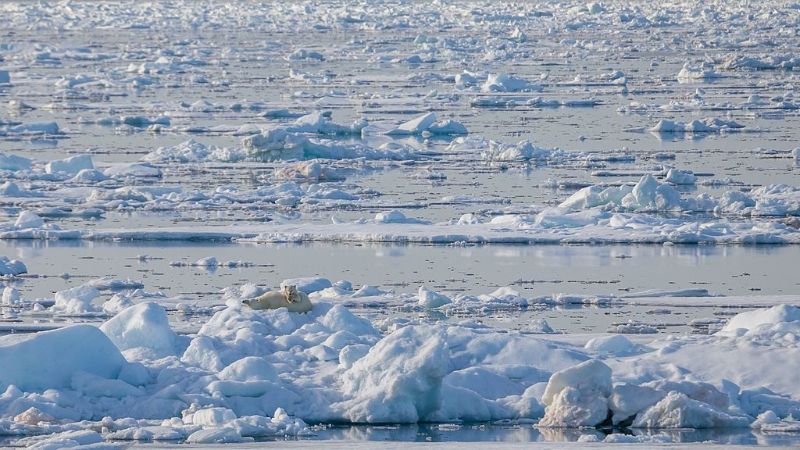
The Arctic is warming faster than anywhere else on Earth, and it is worth being precise about the mechanisms, because they are often confused. Rising air and ocean temperatures are what melt sea ice, thaw permafrost and shrink glaciers — sea level rise is a consequence of warming, not its cause, and melting sea ice does not itself raise sea level because that ice is already floating. What raises sea level is meltwater from land ice in Greenland and Antarctica plus the thermal expansion of warming seawater. Sea ice loss is nonetheless the defining Arctic change: NSIDC measures the September minimum shrinking 12.1% per decade since 1979, about 74,000 km² each year, and the 19 lowest minimums in the 47-year satellite record are the last 19 years.
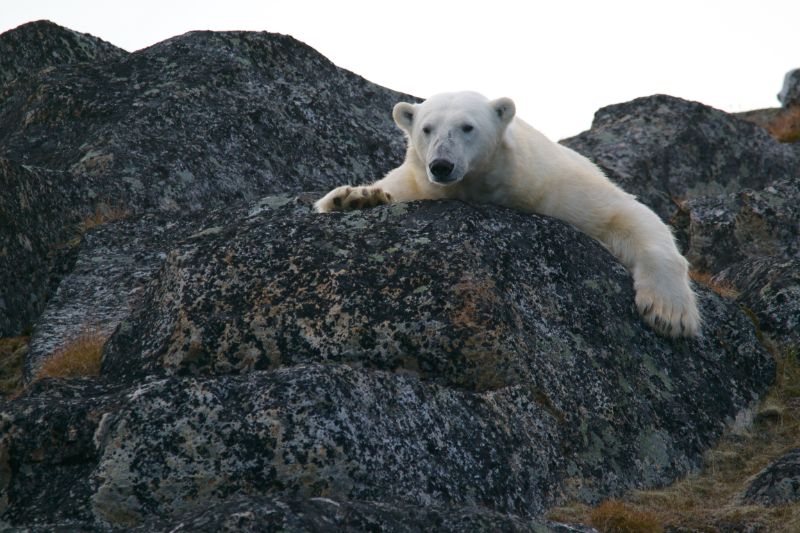
The animal most directly affected is the polar bear, listed by the IUCN as Vulnerable with roughly 26,000 bears (a range of about 22,000 to 31,000) across 19 subpopulations. Polar bears hunt ringed seals from the ice, so when ice breaks up earlier in spring and re-forms later in autumn they simply have fewer days to feed; in Western and Southern Hudson Bay that has shown up as long-term declines in body condition and survival.
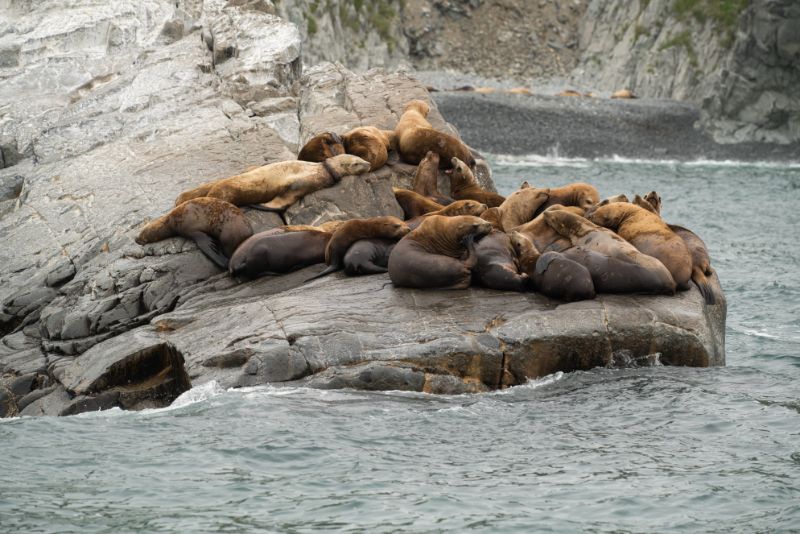
The decline of sea ice also affects the distribution and populations of other Arctic animals—for example, walruses and seals, which use the ice for breeding, resting, and hunting.
Thawing permafrost matters for the same reason. Arctic soils and permafrost hold an estimated 1.4 to 1.6 trillion tonnes of carbon; as the ground thaws, soil microbes become active and release it as both carbon dioxide and methane, a greenhouse gas far more potent than CO2 over the short term. NOAA’s 2024 Arctic Report Card concluded that the Arctic tundra has now flipped from being a carbon sink to a net source of carbon dioxide, once wildfire emissions are counted. Thaw also causes the ground to subside, disrupting the tundra that caribou and other mammals depend on for food and shelter.
See Related: Is Dry Ice Bad for the Environment?
FAQs
What is the biggest threat to wildlife from climate change?
Loss and alteration of habitat is the biggest single threat, because warming moves the conditions a species needs faster than the species can follow. The IPCC has already detected climate-driven local population extinctions in 47% of 976 species examined, and extinction risk rises with every tenth of a degree of warming.
Is species extinction a concern due to climate change affecting animal wildlife?
Yes. The IPCC attributes the first climate-driven extinctions to warming, including the Bramble Cay melomys, declared extinct in 2016, and finds extinction risk about ten times greater for endemic species between 1.5 and 3 degrees Celsius of warming. The 2019 IPBES global assessment separately estimated that around one million species face extinction from all human pressures combined, with climate change one of the five main drivers.
How is climate change affecting wildlife populations?
It shifts the timing of migration and breeding, moves suitable habitat poleward and upslope, and cuts food supply. Measured examples: spring events in US national parks are advancing 1.2 to 3.0 days per decade while birds shift migration only about 2.1 days per decade, Arctic September sea ice is declining 12.1% per decade, and 84% of the world’s coral reef area was hit by bleaching-level heat stress between 2023 and mid-2025.
Can we take action to protect wildlife from the effects of the changing climate?
Yes. Cutting emissions is the only fix for the cause, but the IPCC finds that reducing other stresses works alongside it: keeping habitat connected, expanding protected areas, protecting microclimate refuges, and catching invasive species early. Effective conservation of roughly 30% to 50% of land, freshwater and ocean is what the IPCC assesses is needed to keep ecosystems resilient.
Related Resources:
- Best Solutions to Climate Change
- Coniferous Trees Response to Climate Change and Conservation
- Different Types of Green Energy
See Related: Sarah Ott’s Climate Change Conversion: From Skeptic to Science Educator
See Related: Guardians of the Globe: The Incredible Animals That Are Helping Fight Climate Change